

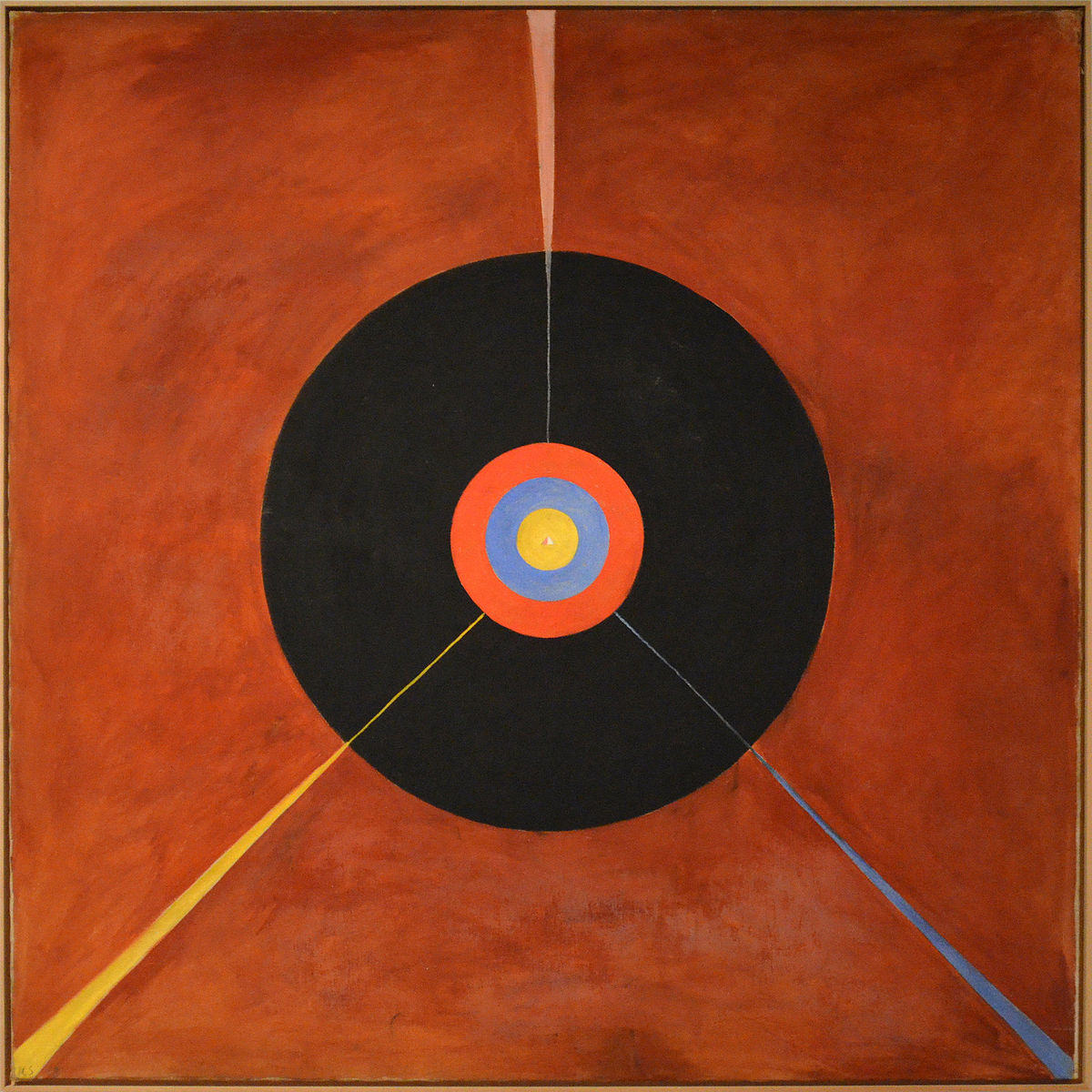
Hilma af Klint's The Swan, No, 18 (1915)
I’m cofounder of the semiotics-fueled branding consultancy SEMIOVOX, editor of the consultancy’s eponymous website, and I’m founding coordinator of the monthly SEMIOFEST SESSIONS. Here’s a round-up of what we’ve been doing this past year.
Also see: SEMIOVOX 2022 | SEMIOVOX 2023 | SEMIOVOX 2024
SEMIOTIC ANALYSIS
SEMIOVOX’s methodology provides insight and inspiration — to brand and organization strategy, marketing, design, innovation, and consumer insights teams, as well as to their agency partners — regarding the unspoken local/global “codes” that help shape perceptions of and guide behavior within product categories and/or sociocultural territories.
During 2025, our projects included (but were not limited to) the following.
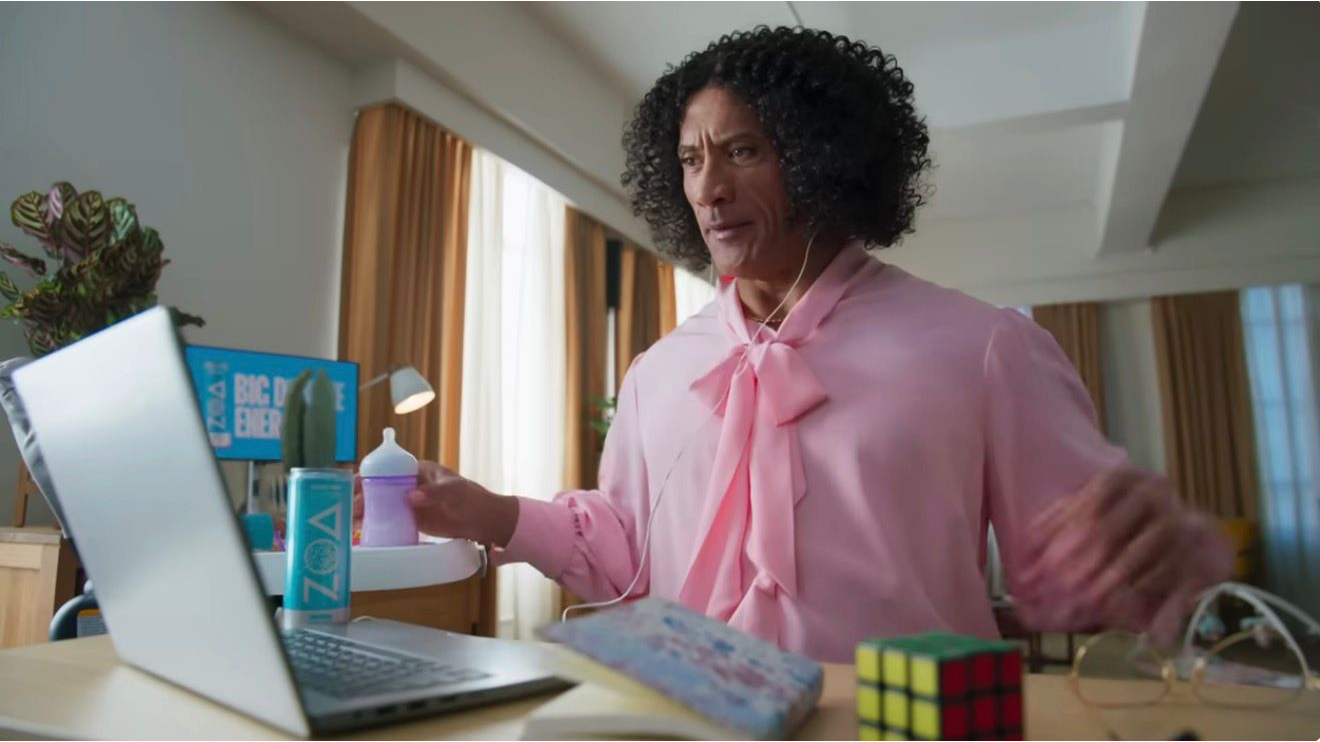
BEVERAGE UPLIFT CODES (USA): On behalf of a multinational beverage company, we analyzed US energy drink, better-for-you soda, soda pop, and RTD coffee codes. A combination of semiotic analysis and (via our sister agency, Consumer Eyes) concept development. Innovation, brand positioning, marketing optimization, pack design.
Throughout 2025, we continued to consult with the client’s various product teams around this audit.

BEVERAGE UPLIFT CODES (GERMANY): On behalf of the same multinational beverage company, we analyzed German energy drink, better-for-you beverages, soda pop, and RTD coffee and tea codes. Innovation, brand positioning, marketing optimization, pack design. We greatly appreciated the efforts of our project partner in Germany, Marion Polauck of Polauck Semiotics.
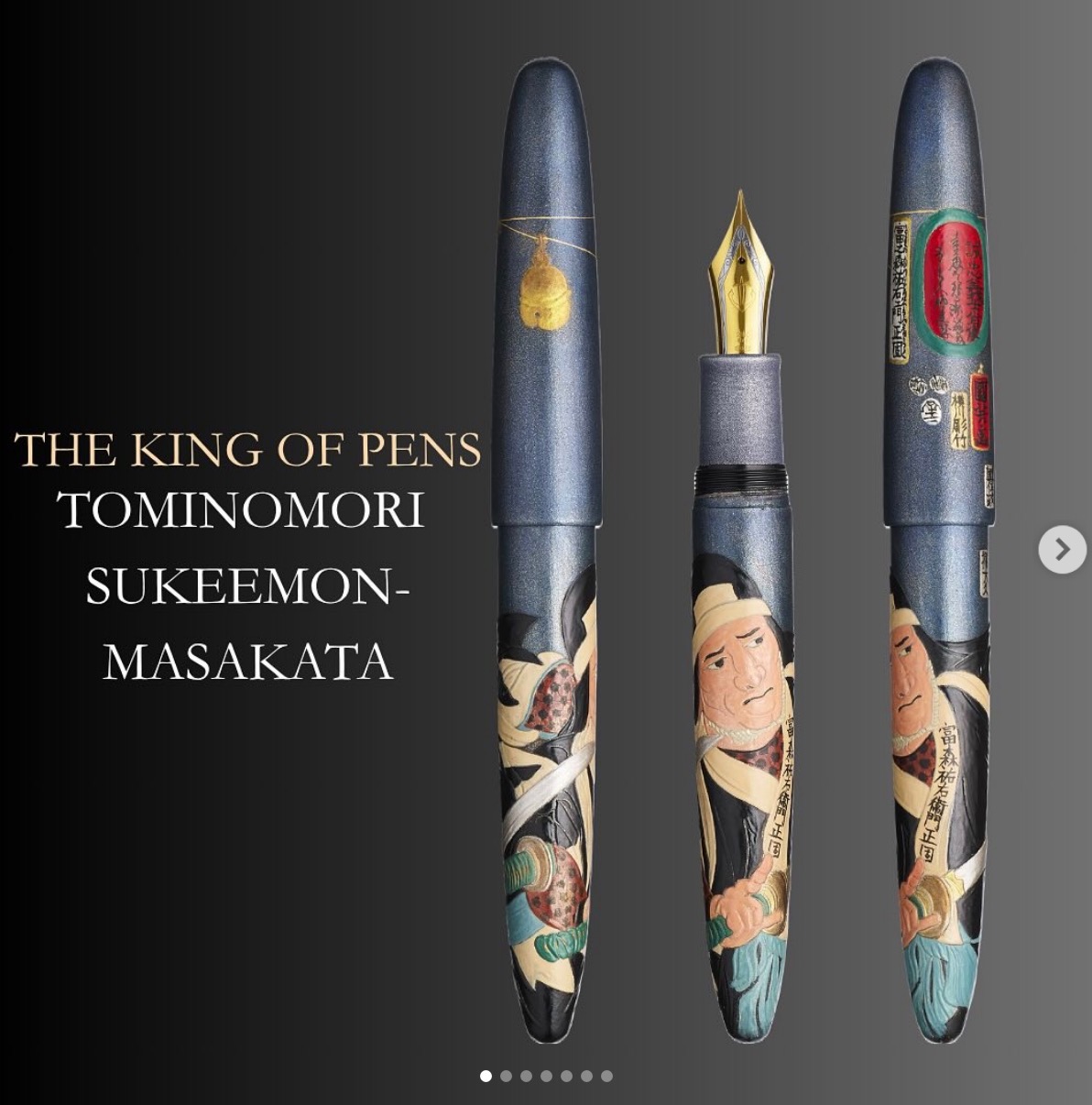
FINE WRITING CODES. On behalf of a leading global consumer goods company that owns several iconic fine writing brands, working via our sister agency Consumer Eyes we analyzed luxury and fine writing codes. Innovation, brand positioning, pen design.
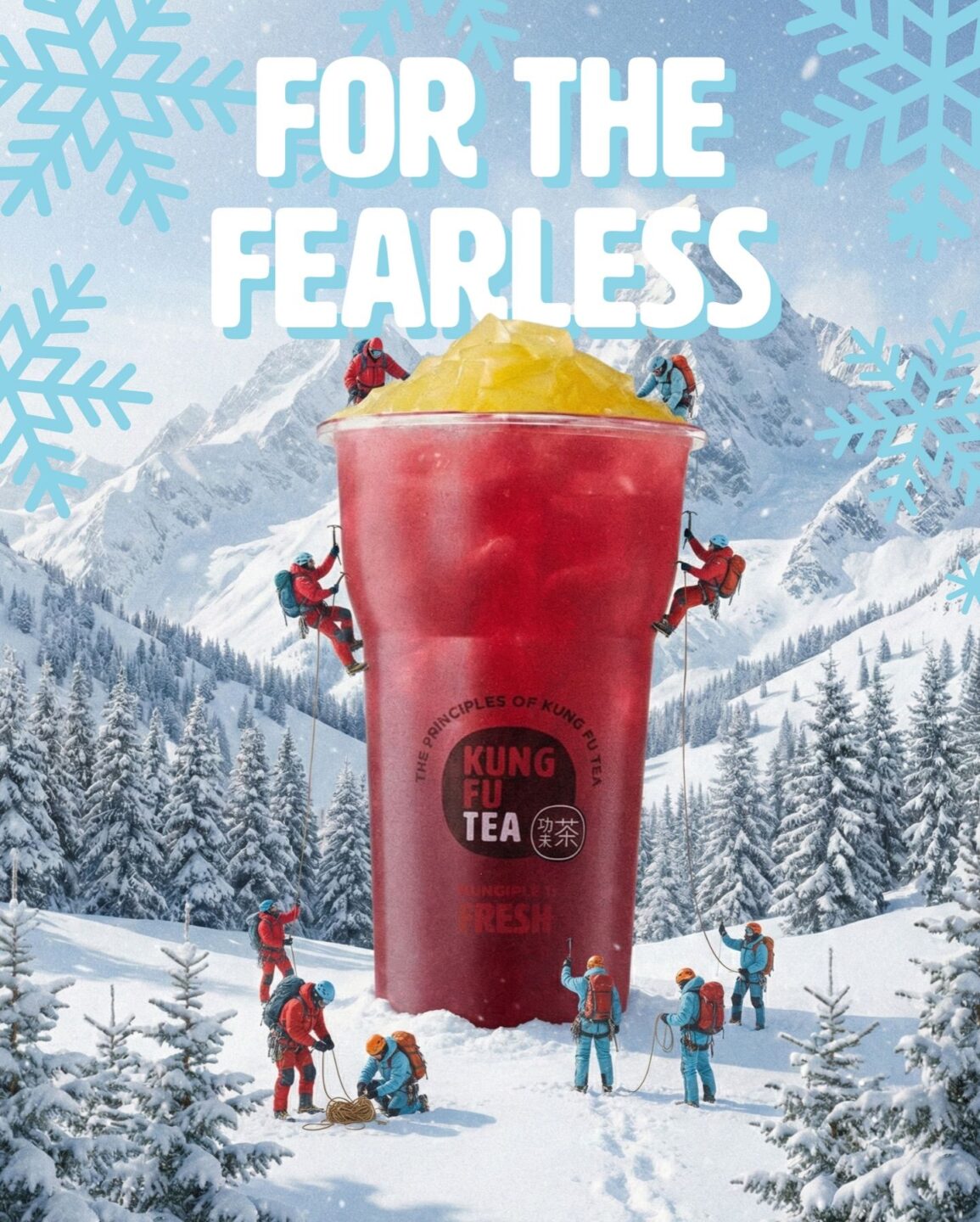
CRAFTED BEVERAGE CODES. On behalf of a multinational beverage company, we kicked off a project analyzing Crafted Beverage codes in seven markets worldwide. We’ve enjoyed collaborating on this project with Becks Collins (England), Sarah Johnson of Athena Brand Wisdom (Canada), Labbrand (China), Aya Kanda of Salt (Japan), Mariane Cara of Comunicara (Brazil), and Marion Polauck (Germany). We’ll continue working on this major audit through 1Q2026. Product innovation, brand positioning, marketing optimization, retail design.
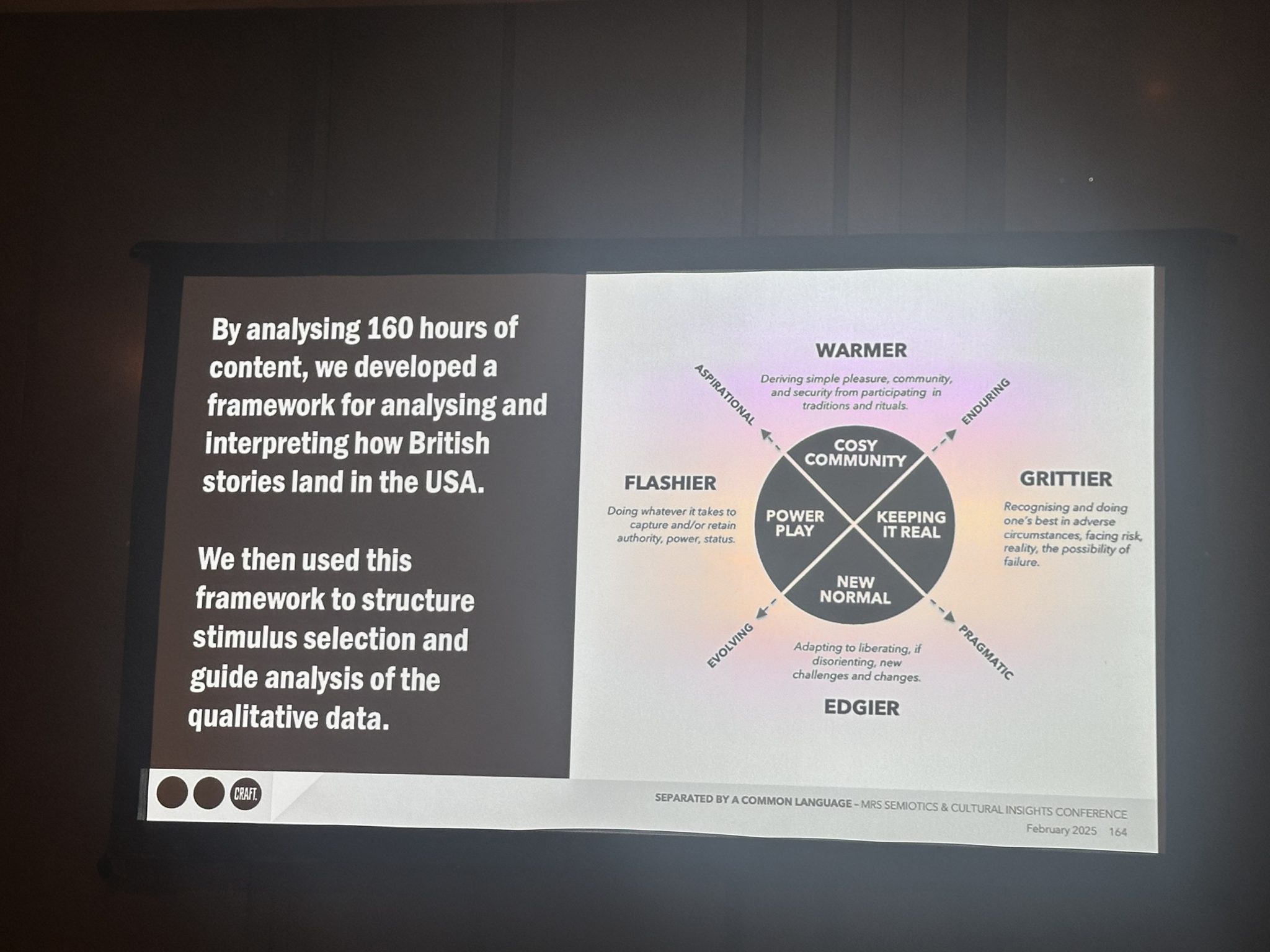
In February, at the Market Research Society’s Semiotics and Cultural Insights 2025 conference in London, Konrad Collao of the media and entertainment research agency Craft and Laurie Kearns, an insights manager for BBC Studios, presented on “how UK stories land in US culture.” They discussed an ambitious 2024 project to which Ramona Lyons and I, after having analyzed / analysed 160 hours of British TV, contributed, among other things, the chart shown here. Later in the year, the project was short-listed for an MRS award in the Cultural Insights category.
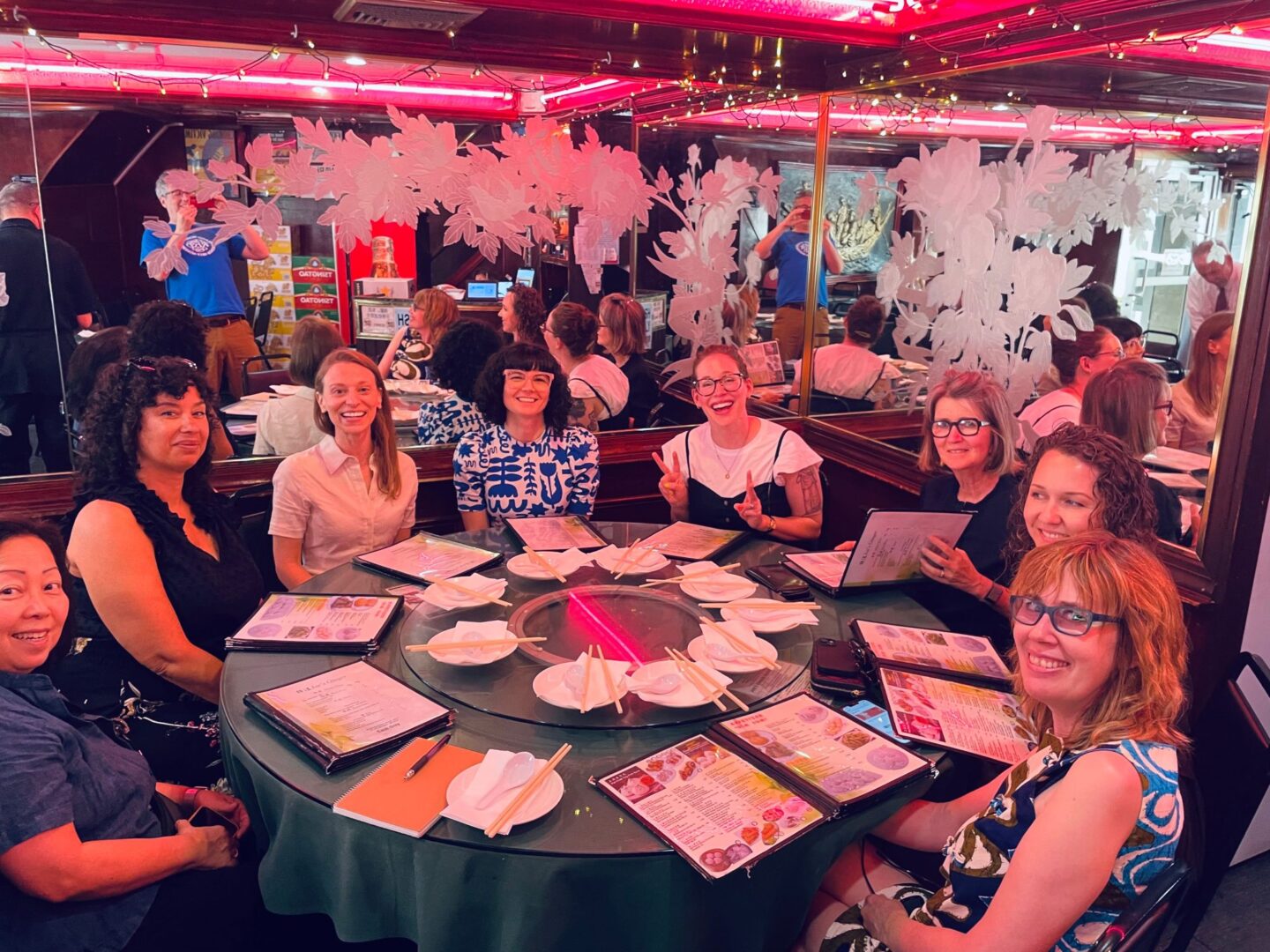
In June, I attended the mini-conference SemioTopia: Materiality and Humanity in the Cloud Age, organized by Charise Mita and Sarah Johnson, in NYC. Shown here: Charise Mita, Ramona Lyons, Smedes Scovil, Tamara Connolly, Angie Meltsner, Deidre Sullivan, Yulia Grinberg, Sarah Johnson.
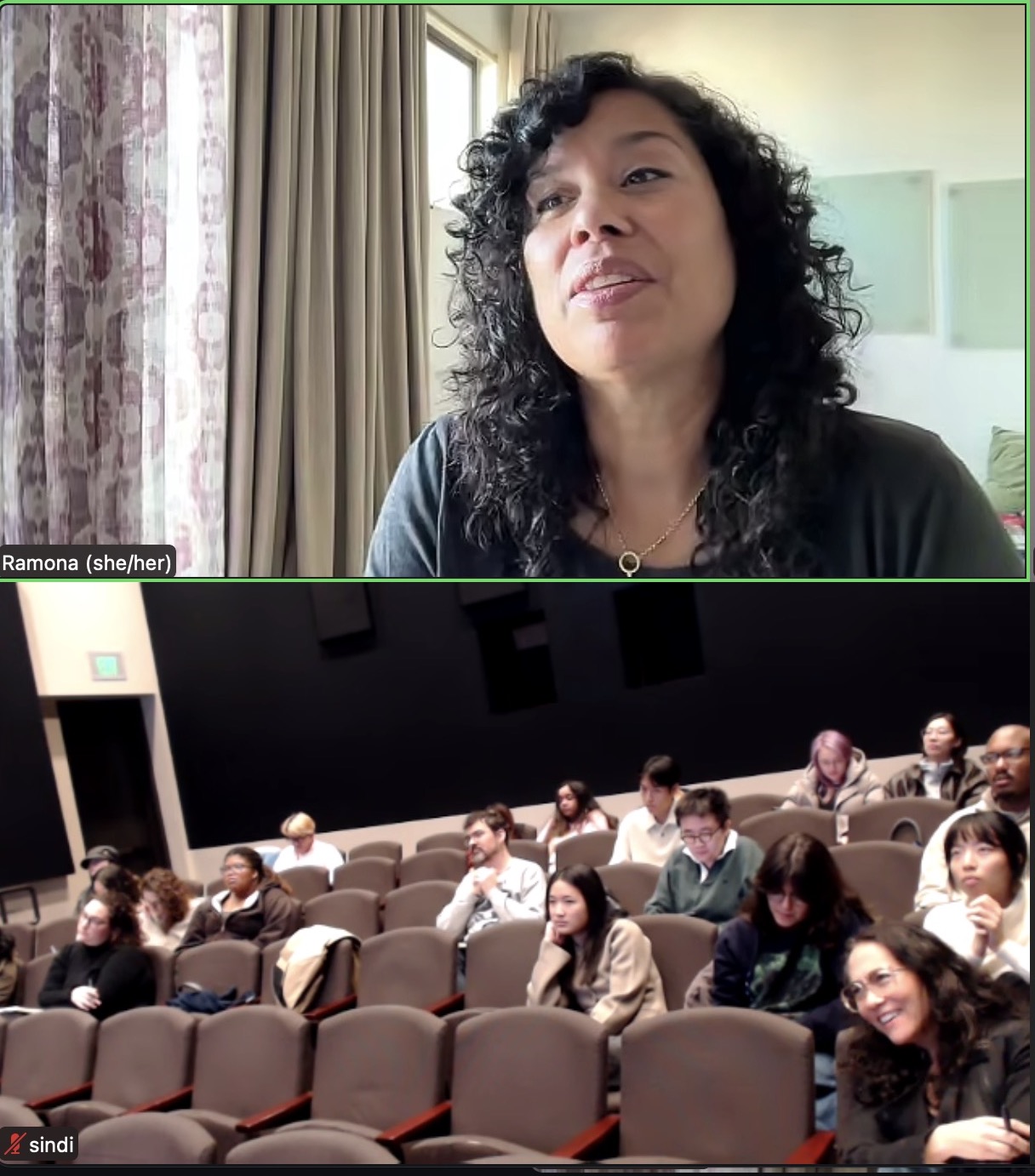
In November, Ramona and I spoke (via Zoom) with Michelle Chihara’s USC Cinema & Media Studies class.
GIVE IT UP
For over 15 years, Rob Walker and I have investigated (anthropologically) what objects mean — and also (semiotically) how they mean what they mean — via fun, engaging story telling projects, both fiction and nonfiction. The goal of our latest project, GIVE IT UP, was to explore what (and how) objects can mean to us, share our objects’ stories with one another… and develop tactics for letting go of our meaningful stuff.
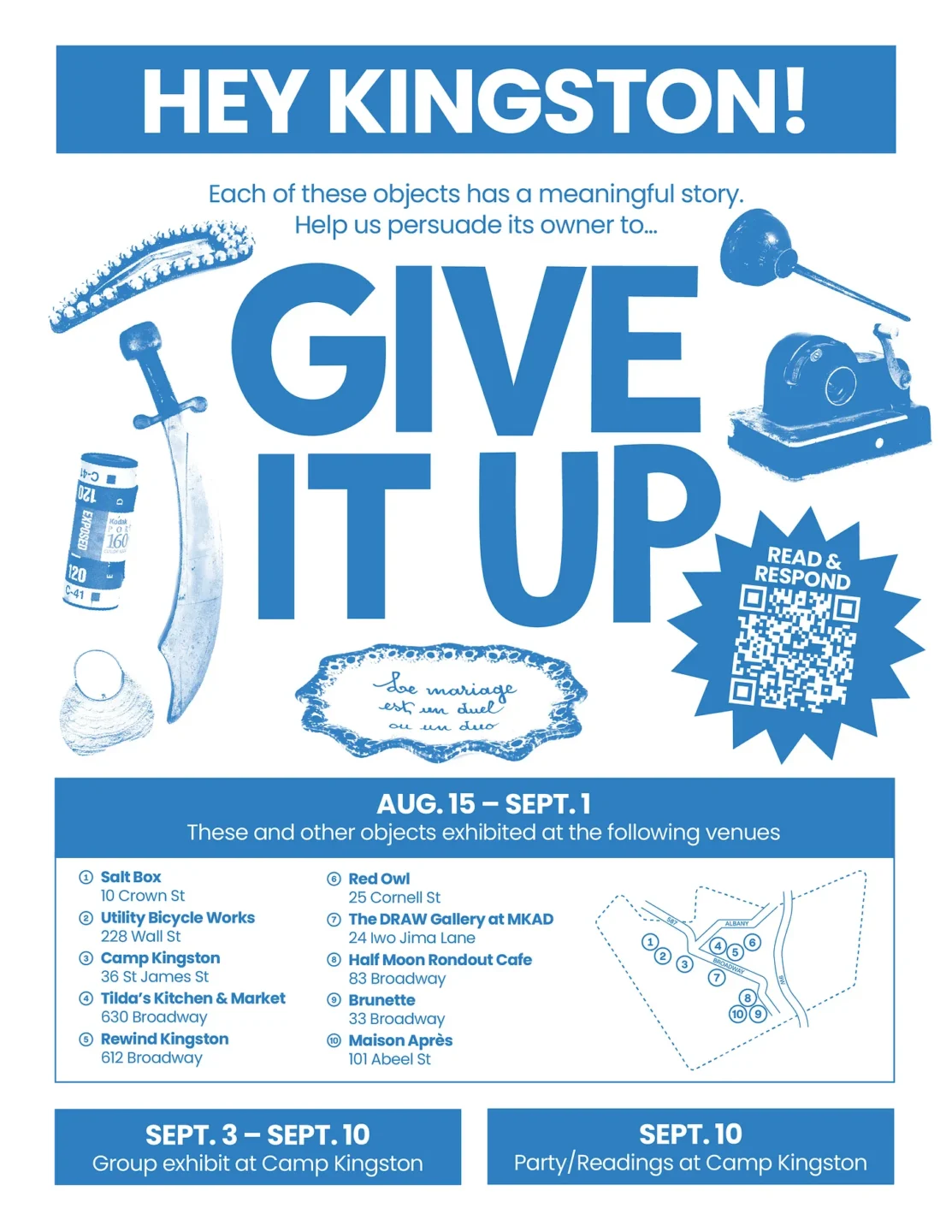
This was our first place-based and interactive project. We recruited 11 interesting Hudson Valley (NY) denizens to participate. Their significant objects and stories were on display in 10 Kingston (NY) venues from Aug. 15th through Sept. 10th. During this period, the general public was invited to persuade our participants to give up their objects. We received nearly 75 thoughtful responses, and passed these along to the project’s participants. The most persuasive responses were announced at the project’s literary event / party on Sept. 10th.
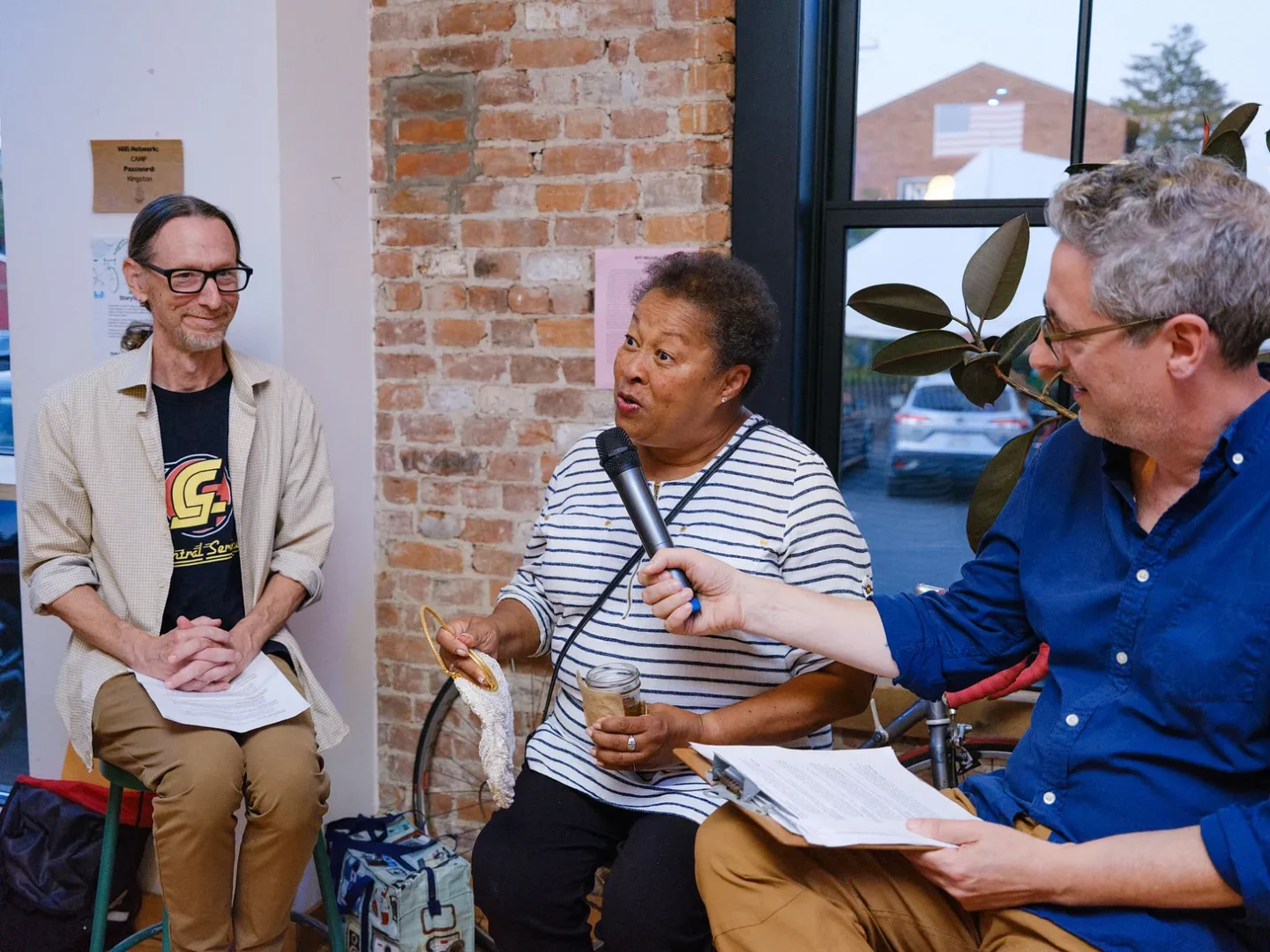
Rob and I are grateful to: the project’s participants, the story respondents, the participating venues, and to our Kingston team: Karlie Flood, Bridget Badore, Tommy Sullivan, and Susan Roe. To learn more about the GIVE IT UP project, check out its website / newsletter.
Books chronicling the PROJECT:OBJECT team’s material-culture investigations include: Josh and Rob’s LOST OBJECTS (Hat & Beard Press, 2022) | Rob’s THE ART OF NOTICING (Knopf, 2019) | Josh and Rob’s SIGNIFICANT OBJECTS (Fantagraphics, 2012) | Rob’s BUYING IN (Random House, 2008) | Josh’s TAKING THINGS SERIOUSLY (Princeton Architectural Press, 2007).
SEMIOFEST SESSIONS
I’m the founder and co-convenor (with Adelina Vaca, as of late 2025) of SEMIOFEST SESSIONS, a monthly-ish series of online get-togethers — put on under the aegis of the biannual Semiofest conference — intended not only to share best practices among, but to nurture collegiality and friendship within the global semio community. Here’s the 2025 lineup:
JANUARY: MEDICAL SEMIOTICS. Medical professionals increasingly recognize that the molecules, enzymes, and alkaloids with which we come in contact initiate sequences of semiotic transformations in our bodies. Also, medicine is more than chemistry: How a society regards medicine, health, and disease is itself influenced by semiotic codes. Yogi Hendlin invited Ramona Lyons and John Tredinnick-Rowe to discuss the current state — and future — of medical semiotics.
FEBRUARY: PEIRCE & PERCEPTION. Rejecting the “mirror” model of cognition that underpins our conventional view of perception, Peirce argues that signs are made by each of us, as we seek to understand the world around us. This is how we become integrated in our own cultures. Chris Barnham discussed the implications of Peirce’s model for commercial semiotics; and Serdar Paktin described what happens when the Western model of perception is imposed upon non-Western cultures.
MARCH: SEMIOTICS & SPIRITUALITY. The experience of doing semiotics can engender a feeling of unreality — which is not dissimilar to those experiences that might be described as mystical, sublime, or spiritual. Although (most) semioticians are not mystics, like spiritual seekers we are very much in pursuit of the ineffable. Adelina Vaca invited Roman Esqueda, Malex Salamanques, and Alfredo Troncoso to offer perspectives on the meaning, and the lived experience, of “spirituality.”
APRIL: SEMIOTICS OF PLACE. Place can be a powerful way for brands and cultural strategists to generate meaning and value… and at the same time, in a world of bland developments and cut-and-paste tourism, semiotics can provide a crucial tool for meaningful place shaping. Gemma Jones invited place-oriented practitioners to discuss place as a cultural “text”… and to share creative methodologies for developing a place-based participatory semiotics.
MAY: RISE OF THE RIGHT. Now that the liberal consensus has collapsed and the right is resurgent across the Western world and beyond, semioticians and their marketing colleagues are asking, “How do we adapt — while resisting fascism?” Session hosts Louise Jolly and Al Deakin invited Nick Asbury and Charise Mita to join them in an exploration of how neo-liberalism and globalisation, which nourished the rise of commercial semiotics, contributed to today’s situation; the right-wing reaction to the “Corporate Purpose” era; and how semiotics and social psychology can most usefully and positively contribute to this historical juncture.
JUNE: ART & SEMIOTICS. Art offers a profound, rich vehicle for decoding a culture’s emotional landscape and symbolic layers. Session host Aiyana Gunjan, an artist and commercial semiotician, invited Seema Khanwalkar and Thierry Mortier to “read” classic and contemporary art works — demonstrating how these works navigate cultural tensions and deconstruct taken-for-granted norms and forms. The sessionists also offered expert advice on how art, viewed through the lens of semiotics, can offer inspiration and insights for branding.
JULY: SEMIOTICS & GENDER EQUALITY. How can semioticians challenge outdated frameworks around gender roles while amplifying diverse voices in the world of communications? Gabriela Pedranti invited Melanie Tobal, Daniela Di Bella, and Gianlluca Simi to discuss diversifying creative teams, advocating for representation that genuinely reflects the diversity of societies, and more. The goal was to introduce tools and resources for semioticians who are inspired to reshape narratives around gender and diversity in marketing and advertising.
SEPTEMBER: NARRATIVE SEMIOTICS. Narratives influence our beliefs and actions, even our perception of reality. So when it comes to influencing global perceptions, driving social change, and consolidating symbolic and political power, it’s crucial to use the tools offered by narrative semiotics. Serdar Paktin has invited Sarah Dodge and Laura Jordan Bambach to unravel the semiotic strategies behind impactful narratives across diverse domains—social activism, design, advertising, marketing, politics—thus allowing us to grasp their profound implications.
OCTOBER: CASE FILES. We commercial semioticians tend to discover all sorts of things — whether amazing, amusing, or tragic — that challenge our assumptions, make us sit up and say “Wow!” For this session, I invited colleagues from China, Portugal, Argentina, Sweden, Mexico, and Italy to share stories of serendipitous discoveries… and to reveal how these discoveries were received by their clients.
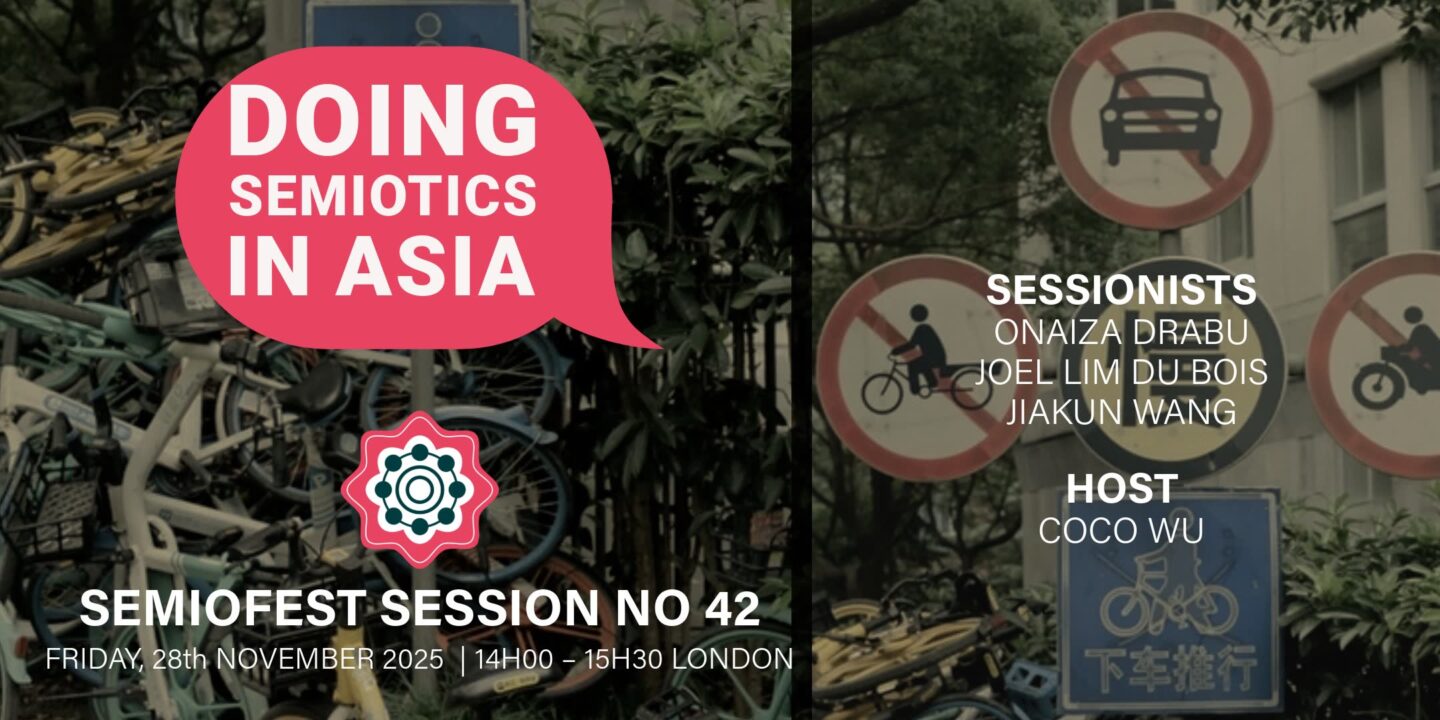
NOVEMBER: DOING SEMIOTICS IN ASIA. As Asia takes a center stage in global cultural and economic flows, semiotic analysis in the region faces unique opportunities and tensions. Coco Wu invited 3 semioticians from different countries in Asia to discuss the ins and outs of semiotics in Asian contexts and how Eastern philosophies — with their emphasis on cyclical rather than linear time, harmony over opposition, and relational identity — might expand the very way we think about meaning-making.
All SEMIOFEST SESSIONS here.
SEMIOVOX.COM
I’m the editor here at SEMIOVOX, our consultancy’s eponymous website. Here’s what we published during 2025.
A professor advised me, “Give it a try, and if you don’t like it, you can leave.” I quickly came to understand what the semiotics discipline had to offer, and that was 14 unforgettable and transformative years ago. Later, I realized there is a tautological relationship between anthropology and semiotics; explaining one often involves explaining the other. This realization has led me to combine both disciplines seamlessly.
Estefania Rodríguez
MAKING SENSE is an ongoing series of Q&As dedicated to understanding what makes semioticians tick. I’ve asked my commercial-semiotics colleagues from around the world to answer a set of leading questions. Here’s the 2025 lineup:
MICHELLE FAN (Taiwan) | KRZYSTOF POLAK (Poland) | ASHLEY MAURITZEN (England) | JIAKUN WANG (China) | BRIAN KHUMALO (South Africa / USA) | HABIBA ALLARAKIA (Saudi Arabia) | L’UDMILA LACKOVA BENNETT (Czech Republic) | SIXIA LIU (Canada) | JENNIFER SIMON (England / USA) | CHARISE MITA (USA) | SHION YOKOO (Japan / Estonia) | NICOLAS JUNG (France) | CARLA MOSS (Austria) | SU LUO (Taiwan) | ALEC KOZICKI (Estonia) | TATIANA JARAMILLO (Italy / Colombia) | JOHN MURPHY (England) | NICOLA ZENGIARO (Italy) | ALICE SWEITZER (Germany) | CARANISSA DJATMIKO (Indonesia) | MARK LEMON (England) | RUTH SOMERFIELD (England) | VICTORIA GERSTMAN (Scotland) | SUSAN BELL (Australia) | ALEXANDRA NCUBE (England) | KEES VAN DUYN (Netherlands) | JUAN MANUEL MONTORO (Spain) | EMILY PORTER-SALMON (England) | MANAR R EL WAHSH (Canada) | DARIA ARKHIPOVA (Italy) | DANIELE DODARO (Italy) | MARION POLAUCK (Germany) | CATHY MAISANO (Australia) | ESTEFANIA RODRÍGUEZ (Mexico) | SUNDARI SHELDON (USA) | SONIA SKINS (Taiwan).
In June we reached a milestone: the 100th Q&A in this series was published!
All MAKING SENSE installments here.

As soon as one report is completed and presented, we move on to the next. This time, however, I couldn’t move on so easily. I could not get the stories of these teenagers out of my head; I found it hard to naturalize the adverse reality I had witnessed firsthand. Several teens had mentioned to me an NGO they visited because it had a community dining room and recreational workshops. I went to the NGO’s website and found a volunteer form….
Ximena Tobi
The CASE FILE series — the contributors to which are commercial semioticians from around the world — shares stories of things we were amazed and amused to learn, whether or not they proved useful to the client. We wrapped up this 2024–2025 series in April. Here’s the 1Q2025 series lineup:
Samuel Grange (France) on SWAZILAND CONDOMS | Serdar Paktin (Turkey/England) on KÜTUR KÜTUR | Ximena Tobi (Argentina) on SLUM PANDEMIC | Maciej Biedziński (Poland) on YOUTH LEISURE | Josh Glenn (USA on THE AMERICAN SPIRIT | Martha Arango (Sweden) on M | Chris Arning (England) on X | Peter Glassen (Sweden) on WHEN SHABBY ISN’T CHIC | Joël Lim Du Bois (Malaysia) on RECONSTRUCTION SET | Ramona Lyons (USA) on THE FALL.
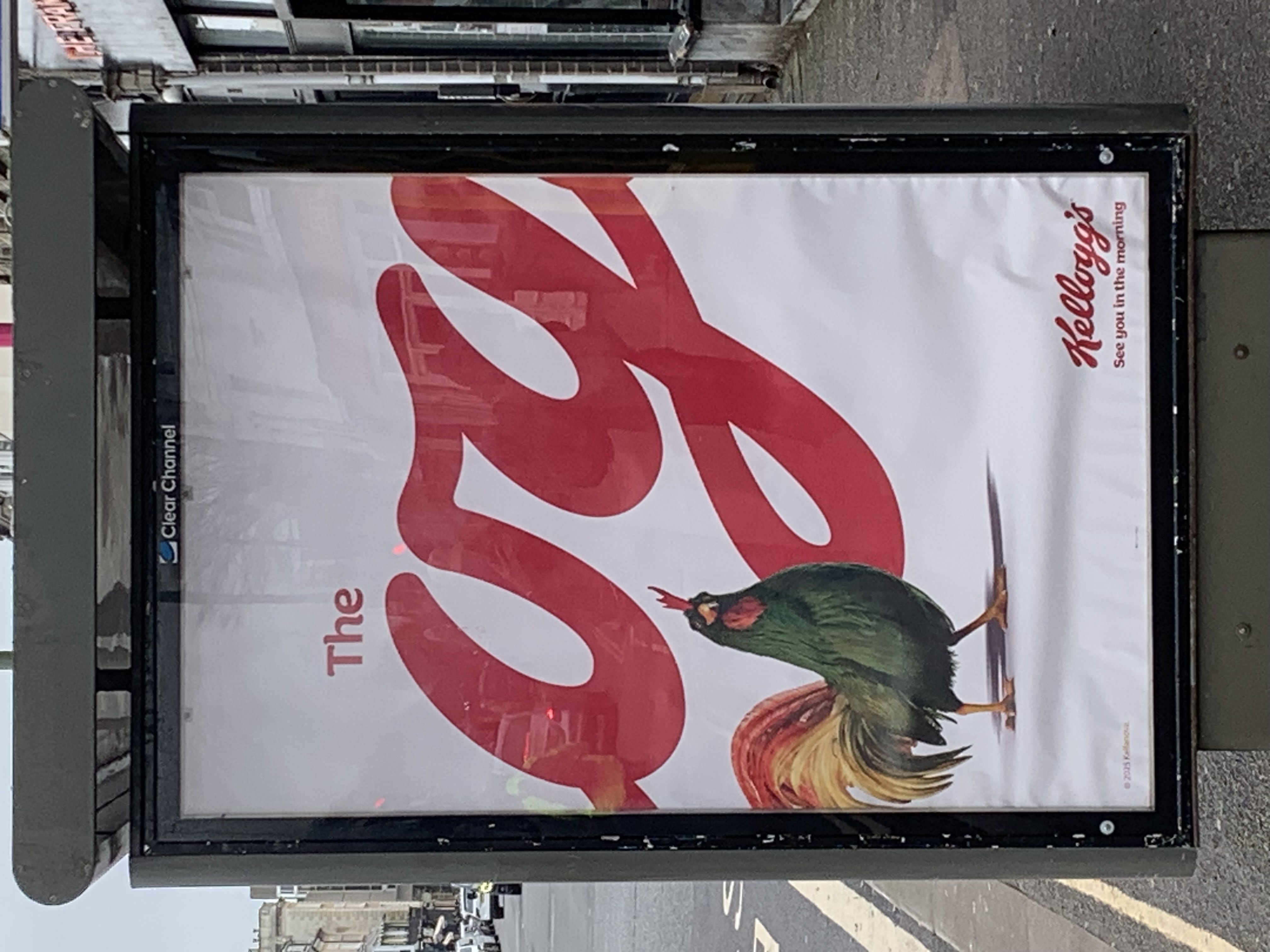
The Kellogg’s rooster symbol always arrests my attention because of a tradition in my family that it was one of us who came up with it and donated it to the brand.
Malcolm Evans
PHOTO OP was a 2025 global series that reveals the sorts of things that we commercial semioticians notice when “off the clock.” Here’s the series lineup:
Mariane Cara (Brazil) on LA LUCHA CONTINUA | Aiyana Gunjan (India) on YAMRAJ | Greg Rowland (England) on I ❤️ FOOD | Gabriela Pedranti (Spain) on NOT SO TRIVIAL | Biba Allarakia (Saudi Arabia) on ALL THAT GLITTERS | Brian Khumalo (South Africa) on A LOST MEMORY | Becks Collins (England) on A MILLENNIAL ON THE BRINK | Samuel Grange (France) on SLOW DOWN | Rachel Lawes (England) on DESKTOP COLLECTIONS | Marie Lena Tupot (USA) on BOX OFFICE | Sónia Marques (Portugal) on SWISS-NESS | Serdar Paktin (Turkey / England) on BOTTLE SERVICE | Stefania Gogna (Italy) on OPEN-AIR MUSEUM | Charles Leech (Canada) on IS IT IRONIC? | Kishore Budha (England) on DOWN THE TUBE | Josh Glenn (USA) on JOINED AT THE DIP | Mark Lemon (England) on SHOP LOCAL | William Liu (China) on SWAN SONG | Malcolm Evans (Wales) on CHOCOCRACK | Paulina Goch-Kenawy (Poland) on POLAND’S NEW (HI)STORY | Adelina Vaca (Mexico) on WHAT’S YOUR POISON? | Natasha Delliston (England) on NATURE BATHING | Ramona Lyons (USA) on DEATH TO TECH | Ximena Tobi (Argentina) on TODO PASA | Victoria Gerstman (Scotland) on UGLY-CUTE ENTROPY.
Every year I try to do a week of “only reading” in a library. At those times, reading is a kind of marathon. I go through about 200 pages a day and try to cover a given scientific area in 5 to 7 days. It’s a dive, a luxurious possibility of immersing myself in a new technique, giving time to cohesive texts in a specific field. During these periods, I read full time, 6 to 8 hours a day.
Sónia Marques
MEDIA DIET was a 2025 series exploring the media “input” of a group of people — our commercial semiotician colleagues, from around the world — whose “output” we admire. Here’s the series lineup:
GIANLLUCA SIMI (Brazil) | HIBATO BEN AHMED (France) | MARIE LENA TUPOT (USA) | EUGENE GORNY (Thailand) | YOGI HENDLIN (Netherlands / USA) | INKA CROSSWAITE (Germany / South Africa) | SÓNIA MARQUES (Portugal) | ĽUDMILA LACKOVÁ BENNETT (Czechia) | BRIAN KHUMALO (USA / South Africa) | JIAKUN WANG (Shanghai) | FRANCISCO HAUSS (China / Mexico) | ASHLEY MAURITZEN (England) | STEFANIA GOGNA (Italy) | BECKS COLLINS (England) | ANTJE WEISSENBORN (Germany) | MARIANE CARA (Brazil) | MARTHA ARANGO (Sweden) | PAULINA GOCH-KENAWY (Poland) | COCO WU (Singapore / China) | JOSH GLENN (USA) | JENNIFER VASILACHE (Switzerland) | ANDREA BASUNTI (England) | SARAH JOHNSON (Canada) | VICTORIA GERSTMAN (Scotland) | MARIA PAPANTHYMOU (Greece).
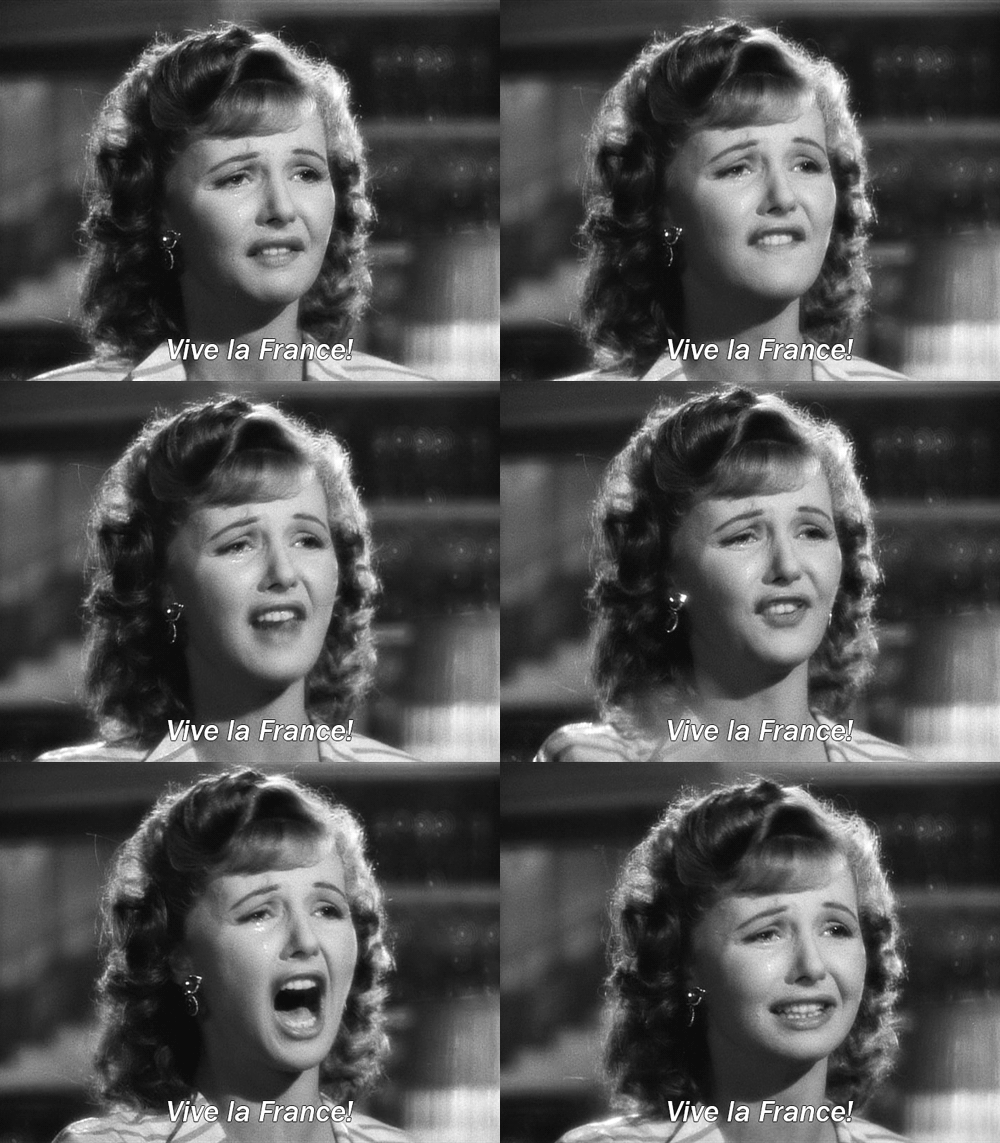
“The seeker in any semiosphere will often end up in a jam. They’re torn between their semiosphere’s dominant discourse and its counter-discourse. How to decide? They oscillate between the semiosphere’s “poles,” whirling in a vortex of their own making.”
Via the 2025 solo series CASABLANCA CODES, I developed a thick description of Casablanca‘s codes and thematic complexes. Here’s the series lineup:
FERRARI | LASZLO | STRASSER | ILSA | UGARTE | YVONNE | RICK | RENAULT.
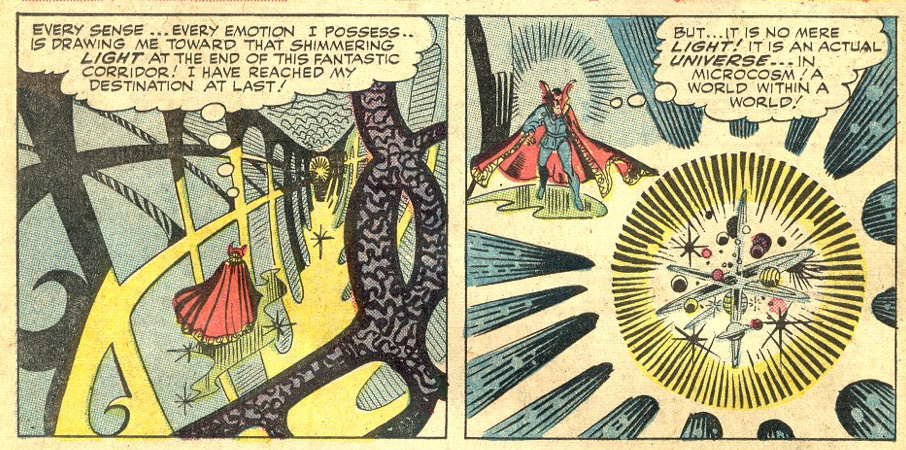
Every sense… every emotion I possess… is drawing me toward that shimmering light at the end of this fantastic corridor! I have reached my destination at last!
Dr. Strange
Via the 2025 solo series SCHEMATIZING, which was cross-posted from our sister website HILOBROW, I attemped to depict the intellectual and emotional highs and lows of developing a G-schema. Here’s the series lineup:
A FECUND VOID | A WORLD WITHIN A WORLD! | HOVERING RIGHT THERE… | SOLITUDE-FUNNEL | DESPERATE STRUGGLE | TENSEGRITY | A SPIRITUAL DIAGRAM OF THE UNIVERSE | PERMEABILITY | THE GREAT UNITY | PRESTO!
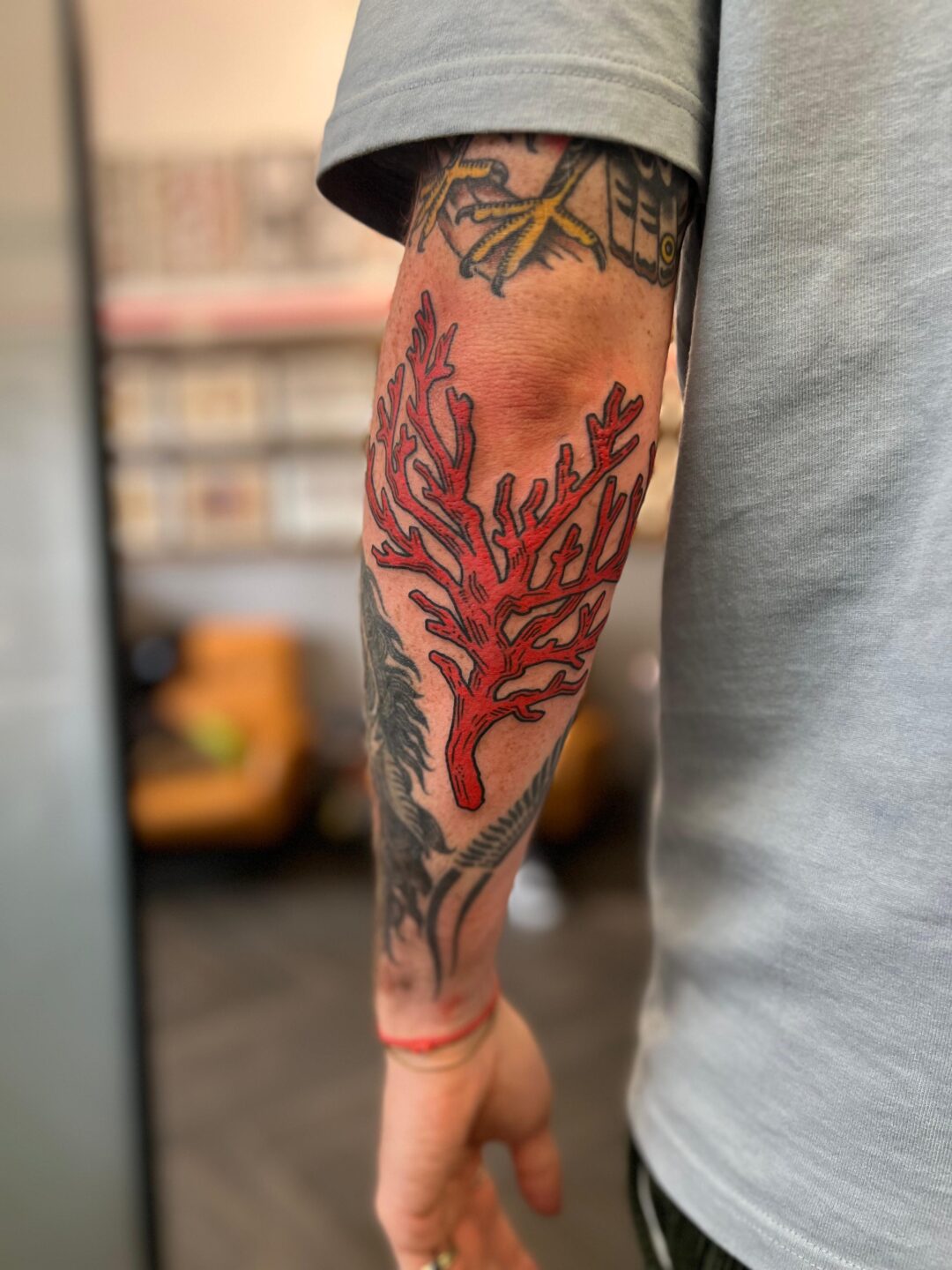
“A reminder that we are all complex structures, growing on the foundations of what came before…”
TATTOO YOU is a series that will kick off in January. We’ve asked 25 of our semio colleagues from around the world to explicate the symbolism of… one of their own tattoos. Here’s a selection from the 1Q2026 lineup:
Nicola Zengiaro (Italy) on CORAL OF LIFE | Su Luo (Taiwan) on ISLAND & TREE | Thierry Mortier (Sweden) on LIJFSPREUKEN | Cristina Voto (Italy) on JELLYFISH | Charles Leech (Canada) on SURF WAVES | Mariane Cara (Brazil) on BECOMING’S TRIAD | Chris Martin (Canada) on PUNK ROCK HEART | Angie Meltsner (USA) on ENJOY EVERY SANDWICH | Samuel Grange (France) on POLYMORPHOUS | Inka Crosswaite (Germany) on LAYERED FRAGMENT | Al Deakin (England) on FAMILY STAR | Hibato Ben Ahmed (France) on HENNA HAND.
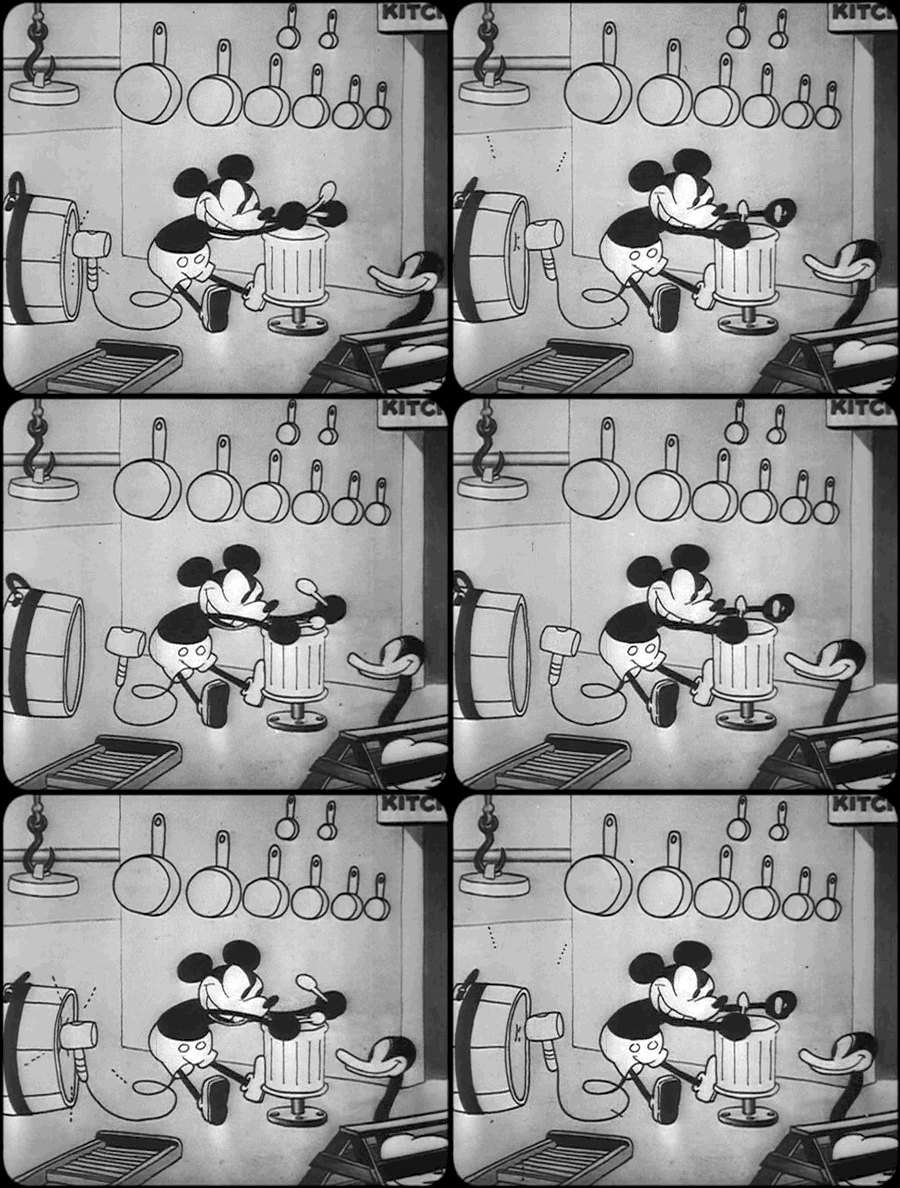
No one has ever been softened after seeing Mickey or has wanted to give away an extra glass of water to the poor. He is never sentimental, indeed there is a scandalous element in him which I find most restful.
E.M. Forster
Via the solo series POP BESTIARY (also cross-posted from HILOBROW), I analyze the evolving meaning of animals in 20th-century pop culture. Installments in 2025 analyzed the mouse. Here’s the series lineup:
HUNCA MUNCA | JOHNNY MOUSE | MICKEY | AMOS | HERMAN | MISS BIANCA | MRS. FRISBY | VLADEK | QUIMBY | PIKACHU
SEMIOVOX continued to offer glimpses into various audits we’ve done via installments in the long-running series CODE-X. Here’s a selection of CODE-X installments from 2025:
YOU DO YOU (JAPANESE COFFEE): JOY JUICE | THIRD PLACE | NOIR FLAVOR. AUTHENTICITY (FANTASY/FOLKWAYS): WAYFINDING | TATTOOING | TRADITIONAL WEAPONRY. PREDATOR (AMERICAN WEST): UNATTACHED | COOL HUNTER | UNCANNY WEST | REVENGE IS MINE | MARKED MAN. SELF CARING (JAPANESE COFFEE): NATURE BATHING | HOME BARISTA | HEALTHY ROUTINE | WELLNESS FIRST | JUST BREATHE | WINDING DOWN. CADRE (AMERICAN WEST): OLD GUN | LOYAL ALLY | ROUGH JUSTICE. ON POINT (CANNABIS): MINIMALIST | OPTIMIZE ME | FINE ART | GOURMAND. OVERHAUL (HEALTH & WELLNESS): SPECIFIC TARGETING | SPA TREATMENT | GUT INSTINCT | YOGA BALANCE | POWER-PACKED. COLONIAL CODES (JAMAICAN RUM): PLANTATION FANTASY | HERITAGE & CRAFT | VOYAGE OF DISCOVERY. IN HERE (SOPHISTICATED WHOLESOME AESTHETICS): NICE & EASY | COZY UP | HAPPY HARMONY. TOURIST JAMAICA (RUM): TROPICAL TERROIR | ISLAND PARADISE | NAUGHTY GETAWAY. SHELTER (FINE WRITING): GOLDEN AGE | SLOW & SOFT | ENTREPRENEURIAL | COMBAT READY. OUT THERE (SOPHISTICATED WHOLESOME MEDIA): ANTI-HYGGE | DARK PORTAL | KIDDIE EMO | 3D UNCANNY. SAFE AS HOUSES (BRITISH TV): TIGHTLY KNIT | KITH & KIN | KIND-HEARTED | MANAGED NATURE.
As of September 2025, the CODE-X series — which now features nearly 400 installments — is on temporary hiatus.
Also see: SEMIOVOX updates from 2022 | 2023 | 2024

In November, Adelina Vaca and I interviewed the organizers of Semiofest Warsaw 2026 about the conference’s theme, etc.
MIT PRESS: RADIUM AGE
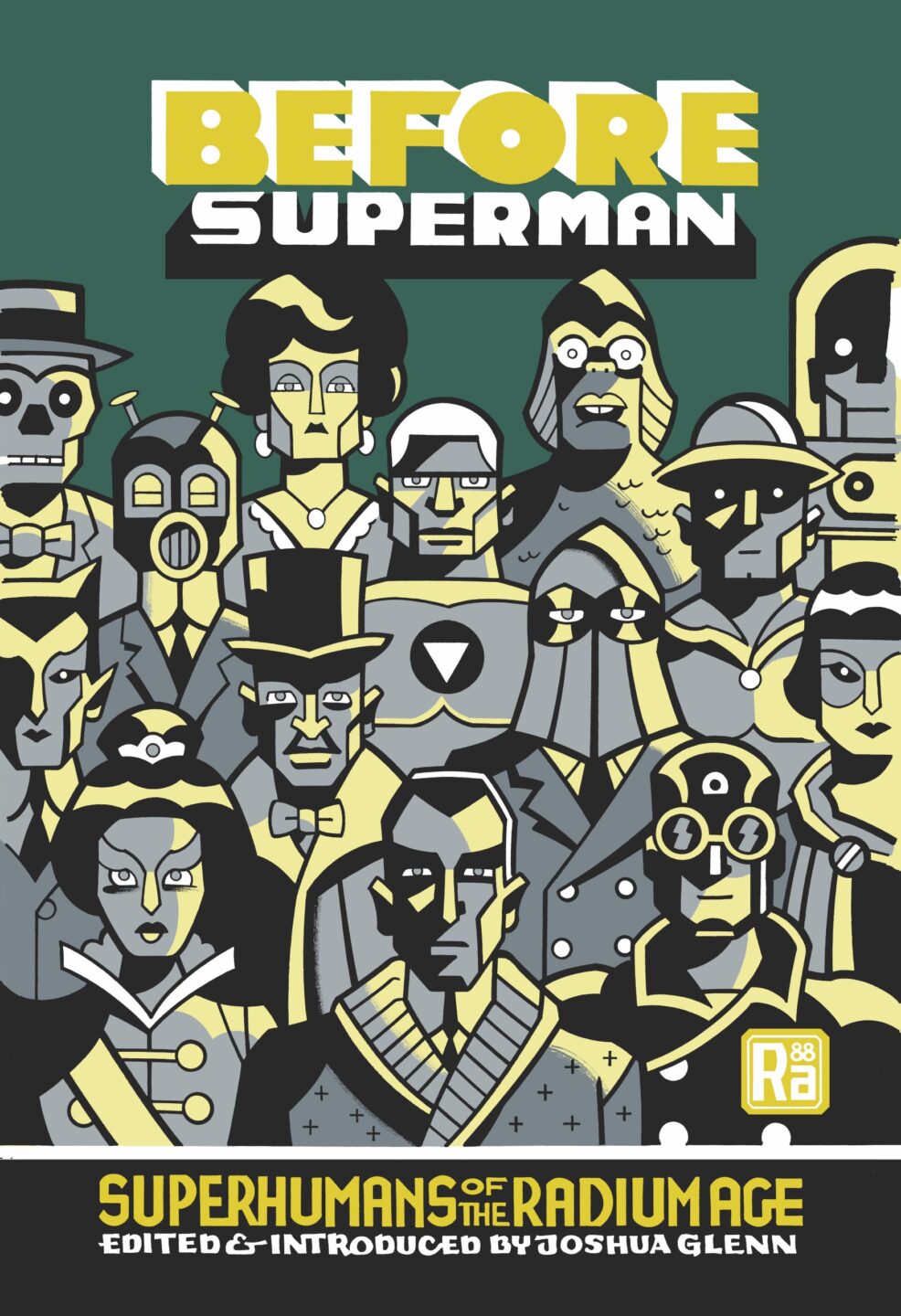
I’m the founding editor of the MIT Press’s RADIUM AGE proto-sf reissue series. In August, we published Before Superman: Superhumans of the Radium Age, an anthology that I’ve edited featuring Radium Age superhuman-themed stories and novel excerpts from the likes of Gertrude Barrows (aka Francis Stevens), George Bernard Shaw, Alfred Jarry, Marie Corelli, Hugo Gernsback, M.P. Shiel, Karel Čapek, Thea von Harbou, Jean de La Hire, and Edgar Rice Burroughs.
Provides essential background on the rise to dominance of superhumans in our own pop culture. — Toronto Star
Before Superman is a joyful as well as thought-provoking volume of an excellent series, insightfully presented by Joshua Glenn. The book is of great interest for all SF lovers but also to all literary and cultural historians, who can only feel encouraged to rethink some of their labels and periodization tools. — Leonardo Reviews
As in so much speculative fiction set in imagined futures, these superhumans shed a light on the age in which they were conceived. Rather than strengths, they reveal its anxieties and preoccupations. — Times Literary Supplement
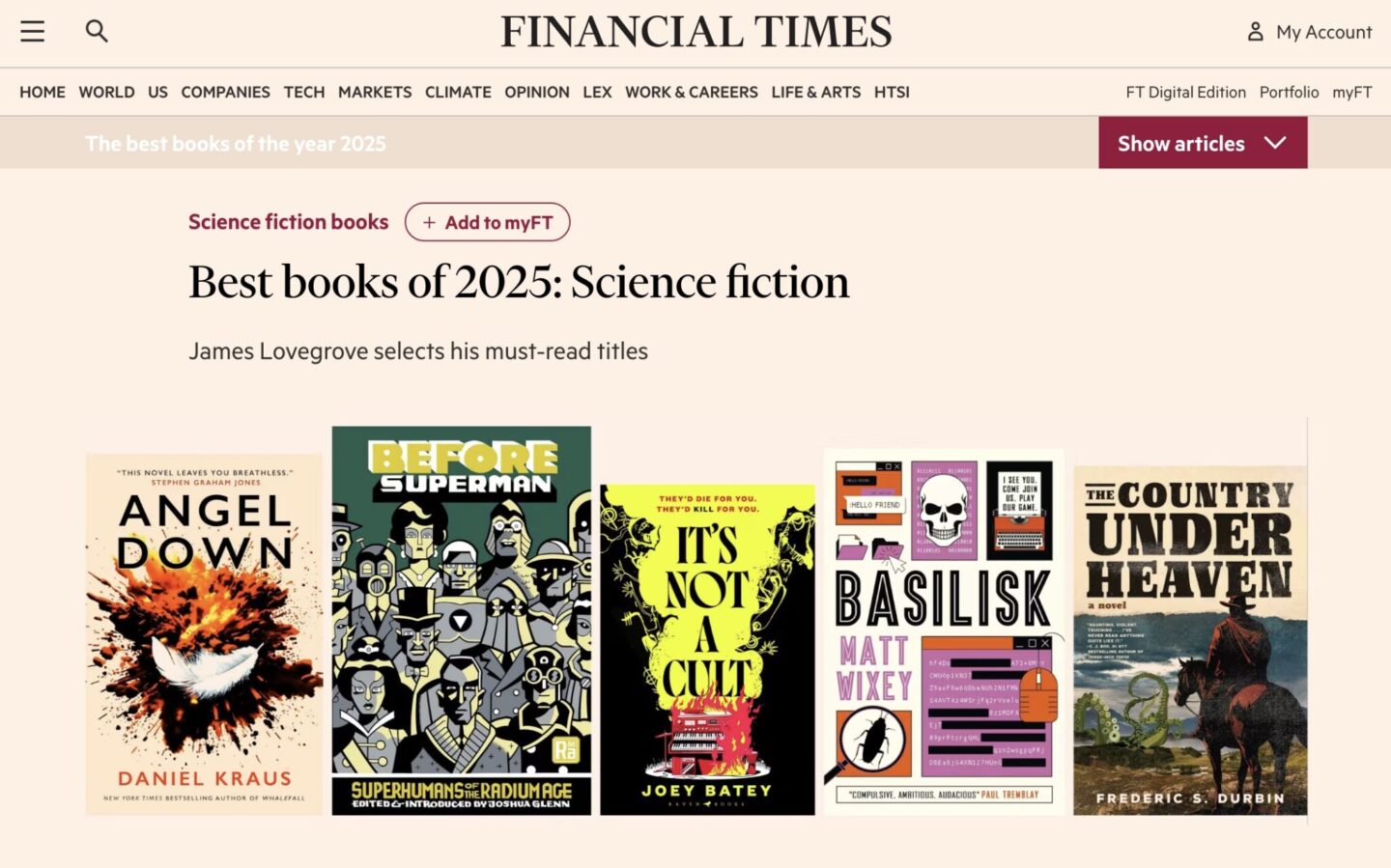
In November, Financial Times columnist James Lovegrove named Before Superman one of the Five Best SF Books of 2025. Here’s the writeup:
Part of the Radium Age series — reissues and anthologies of early-20th-century science fiction in nattily designed paperback editions — Before Superman assembles stories about superhumans from an era before they achieved comic-book ubiquity. Authors represented include Arthur Conan Doyle, Edgar Rice Burroughs, Karel Čapek, even George Bernard Shaw. Sheer retro bliss, no spandex.
Also in 2025, we reissued the following titles:
- J.D. Beresford’s The Hampdenshire Wonder (March 2025, with a new introduction by Ted Chiang). “Extravagance… but of so remarkable a character that it keeps you almost spell-bound. What follows is philosophy, psychology, poetry, allegory, what you will.” — The Bookman (1911) | See this title at the MIT Press website.
- John Taine’s The Greatest Adventure (March 2025, with a new introduction by S.L. Huang). “A mixture of H. Rider Haggard, Conan Doyle, Roy Chapman Andrews, and a bottle of excellent gin.” — California Tech (1929) | See this title at the MIT Press website.
- Marietta S. Shaginyan’s Yankees in Petrograd (August 2025, translated from Russian and introduced by Jill Roese). “A novel of our time, in which major events succeed each other with purely cinematographic speed… In Jim Dollar’s novel we see nothing but action.” — Nikolai Meshcheryakov, “Foreword to the First Edition” (1924) | See this title at the MIT Press website.
More RADIUM AGE series updates: 2022 | 2023 | 2024 | 2025
HILOBROW
HILOBROW is SEMIOVOX’s sister website. Here are a few semio- and cultural analysis-related series and posts from 2025.
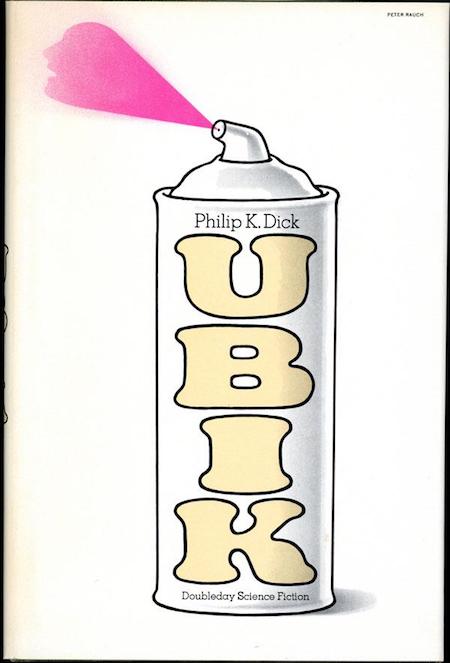
“Joe Chip finds himself immersed in an alien semiosphere, if you will: This altered reality in which he and his teammates are moving back in time, in which things keep crumbling and dissolving, and in which Runciter keeps manifesting in unexpected ways. So Joe does what semioticians do: He analyzes the semiosphere’s norms and forms, seeking patterns that might reveal insights about what’s going on… and how what’s going on is going on.”
SEMIOPUNK is a solo series via which I’m surfacing examples (and predecessors) of the sf subgenre that HILOBROW was the first to name “semiopunk.” Here’s a sampling of the series’ 2025 lineup:
Samuel R. Delany’s THE EINSTEIN INTERSECTION | Roger Zelazny’s LORD OF LIGHT | Philip K. Dick’s UBIK | Thomas Pynchon’s GRAVITY’S RAINBOW | Ken MacLeod’s COSMONAUT KEEP | Yoon Ha Lee’s NINEFOX GAMBIT | Don De Lillo’s WHITE NOISE | R.F. Kuang’s BABEL | China Miéville’s EMBASSYTOWN | Ray Nayler’s THE MOUNTAIN IN THE SEA | Charles Stross’s GLASSHOUSE | Gordon Dahlquist’s THE DIFFERENT GIRL.
This summer, we began publishing condensed and improved versions of these essays here at SEMIOVOX.

The 10-part solo series LOGOLOGY featured selected excerpts from my 2024 contribution — a top-of-mind, semiotics-adjacent analysis of fast food and cannabis brand logos and pack design — to issue no. 1 of the marketing-culture zine Cash & Carry.
More HILOBROW updates: 2010 | 2011 | 2012 | 2013 | 2014 | 2015 | 2016 | 2017 | 2018 | 2019 | 2020 | 2021 | 2022 | 2023 | 2024 | 2025
On to 2026…