Making Sense
"It is gold when a client suddenly realizes that the cultural codes and dynamics playing out in an entirely different industry hold key answers to their own questions."


What makes semioticians tick? We asked members of the international community of semiotic practitioners to answer 10 questions. Here's a series overview, organized by region.
"It is gold when a client suddenly realizes that the cultural codes and dynamics playing out in an entirely different industry hold key answers to their own questions."

"Many client questions are not only about behaviour or preference, but about meaning."

"The most satisfying projects are those where meaning is operating everywhere at once."

"When we interrogate social taboos, we can steer towards significant transformation."
"A label, a framing choice, a repeated gesture, a category, a visual convention, a protocol: these are often the places where larger systems become visible."

"Make abstract ideas and observations clear, without losing the rigour or wonder of whatever ideas you had in the first place. "
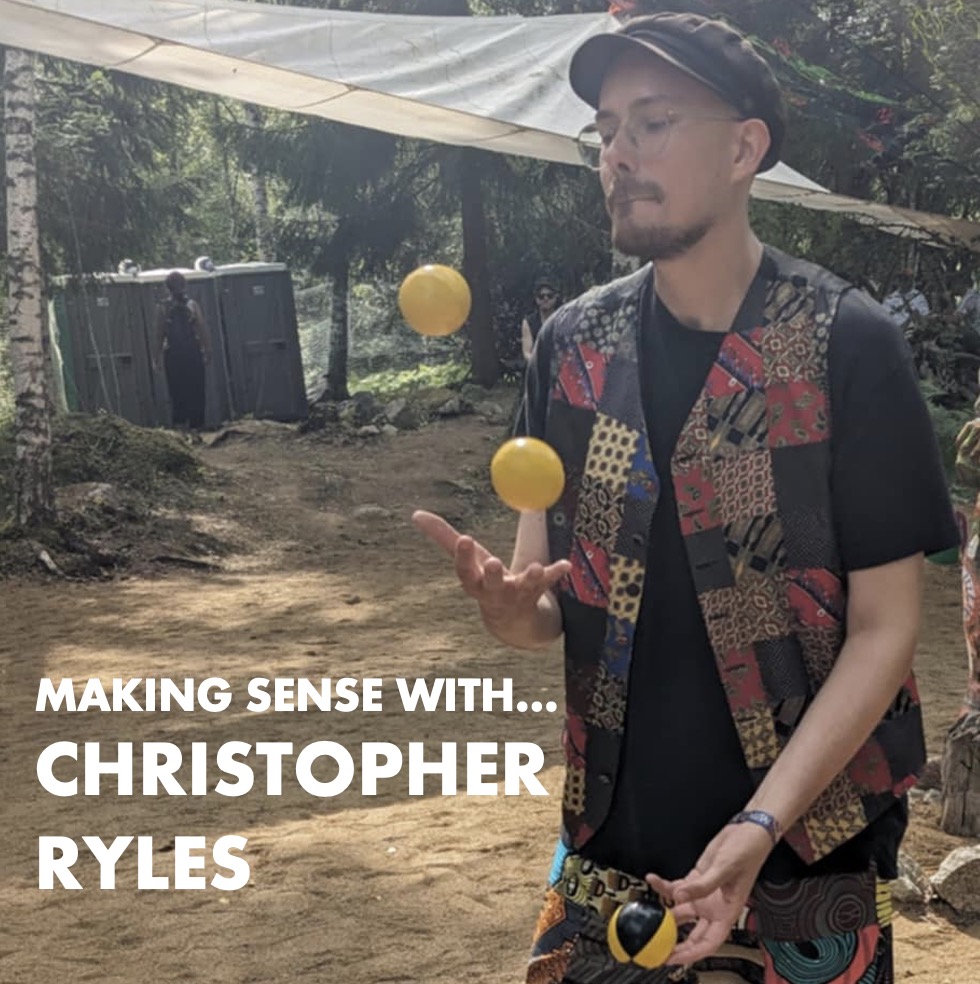
"Unlike LLMs, we help build a deep understanding of culture, not just engage in pattern recognition."

"You notice when a system is addicted to an old myth it can no longer metabolize."

"If analysis doesn’t restore the beauty, texture, or emotional vibration of an object, it becomes abstract."

"Do not rely only on your intuition or gut, but make sense of them using concepts, models and instruments produced by semioticians."

"I enjoy this discipline's ability to open minds, reveal new possibilities and energise people."
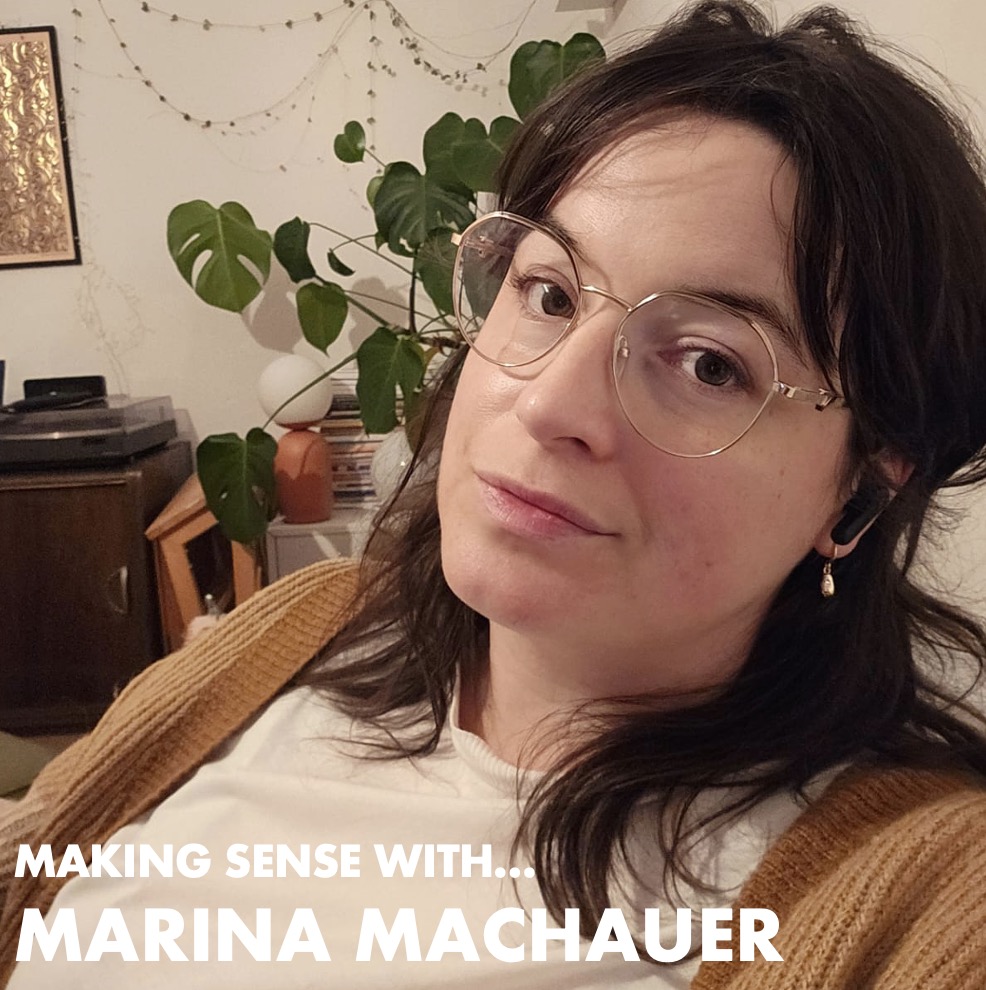
"Even when a project isn’t explicitly semiotic, the principles guide how I approach my ethnographic and cultural work."