
Making Sense
"The leading edge of culture emerges first in the sensorial and experiential before it can be articulated in more cerebral ways."


What makes semioticians tick? We asked members of the international community of semiotic practitioners to answer 10 questions. Here's a series overview, organized by region.
"The leading edge of culture emerges first in the sensorial and experiential before it can be articulated in more cerebral ways."
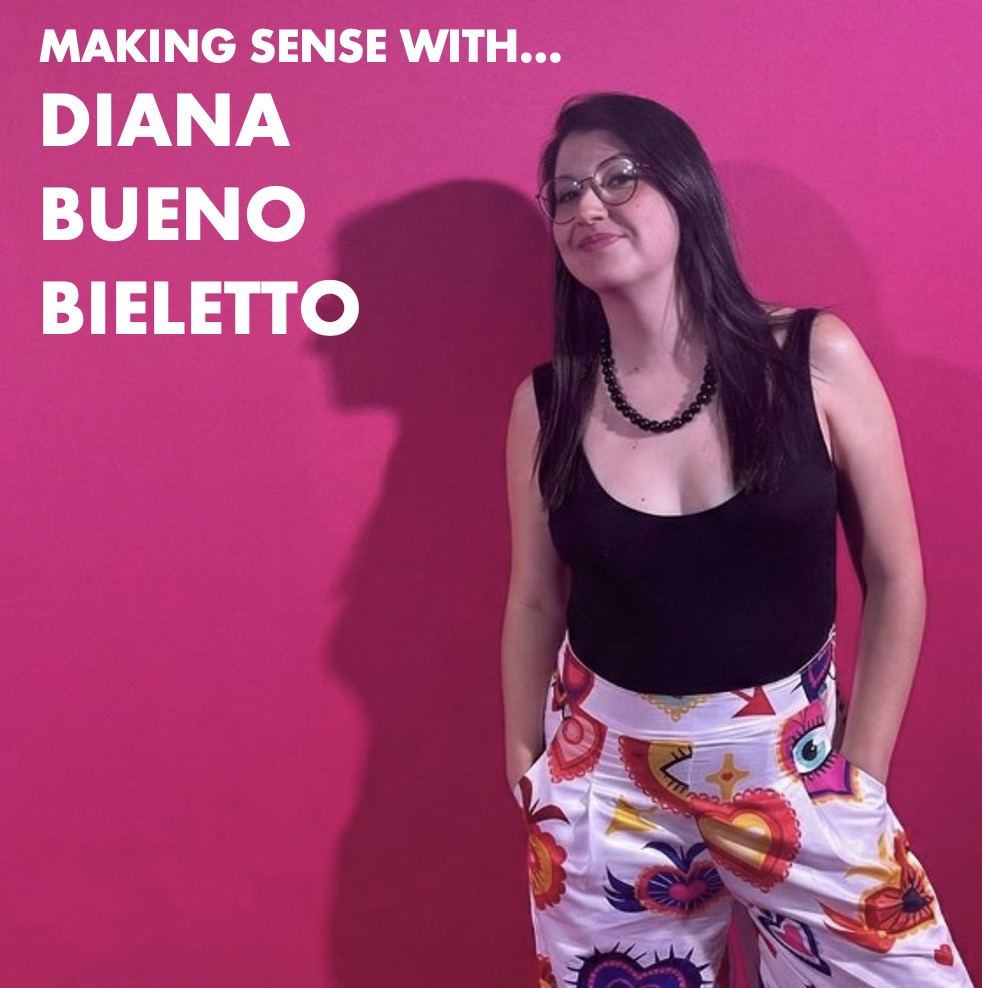
"It’s an almost compulsive need to keep asking why, again and again, without settling too quickly on answers."

"Semiotics is clever and brilliant. It doesn’t need to try so hard to sound clever and brilliant."

"Semiotic researchers tend to be good people — perhaps because they share a fundamental openness toward understanding cultures other than their own."

"You already have so much knowledge to draw on from your observations — things you’ve noticed, trends you’ve spotted, cultural knowledge unknowingly assimilated, years of training on method."

"Look out for signs, symbols, and patterns in everyday life — and tease out of them the ideas that they communicate."

"Being able to connect, or map ideas — across regions, eras, or cultural objects — requires a comparative way of looking."
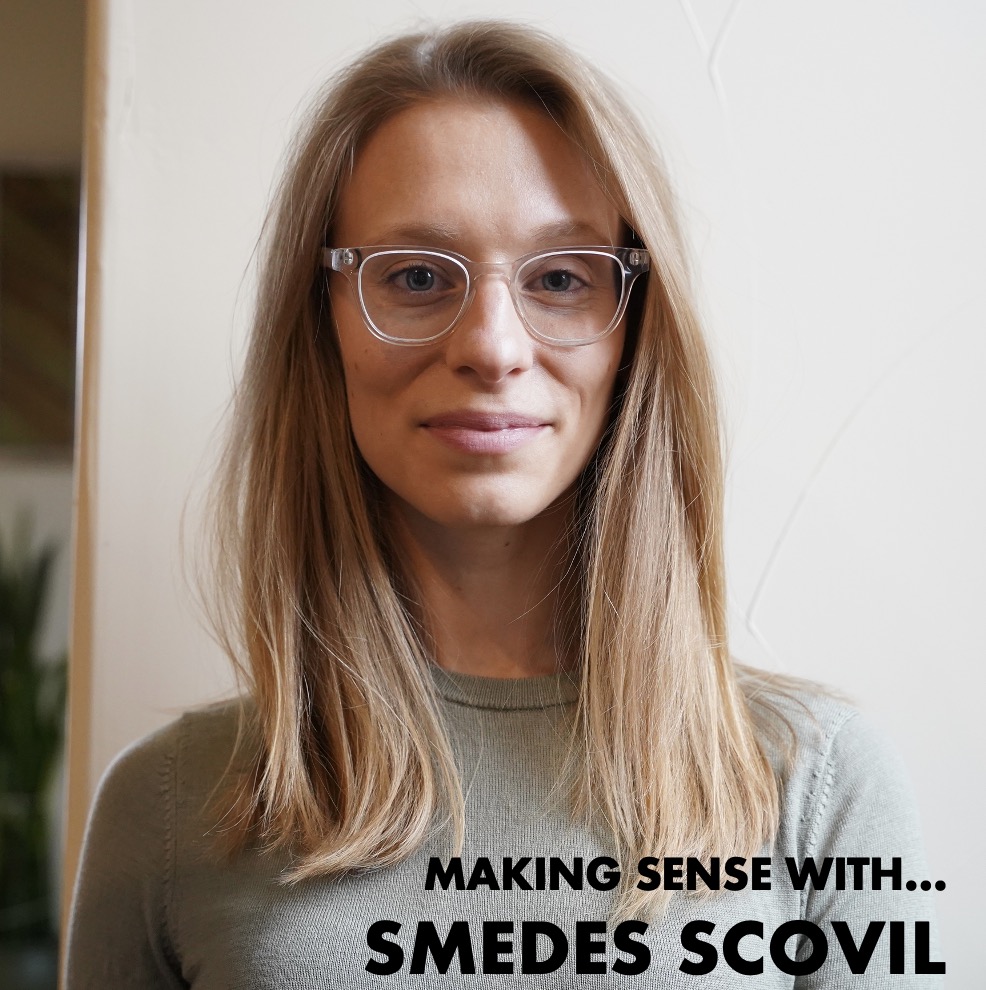
"I regularly refer to myself as 'relentlessly curious.' The practice of semiotics is a marathon of mental focus."

"I like naming and describing what’s usually left unsaid, diving into the darker side of things, and uncovering how they show up (or do not) in communications."

"There’s so much more to learn about semiotics — that’s what frustrates and excites me!"

"My best insights come from sitting with questions rather than seeking instant answers."


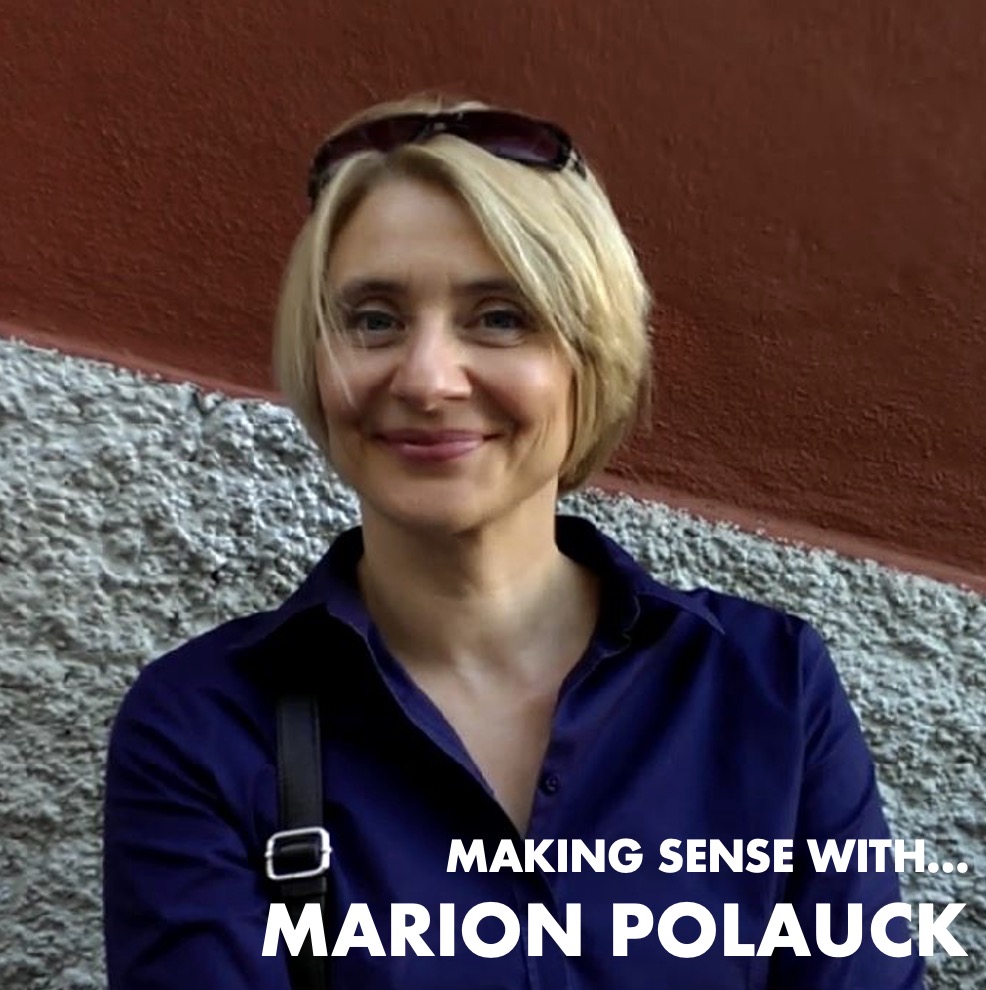
"Like any great work (in any field), semiotic insight needs to move us emotionally."