
Making Sense
"The more we can demystify cultural analysis and semiotics, the more acceptance and work will come our way!"


Semioticians based in — or originally from — the European continent
"The more we can demystify cultural analysis and semiotics, the more acceptance and work will come our way!"

"A label, a framing choice, a repeated gesture, a category, a visual convention, a protocol: these are often the places where larger systems become visible."


"Unlike LLMs, we help build a deep understanding of culture, not just engage in pattern recognition."

"You notice when a system is addicted to an old myth it can no longer metabolize."

"If analysis doesn’t restore the beauty, texture, or emotional vibration of an object, it becomes abstract."

"I enjoy this discipline's ability to open minds, reveal new possibilities and energise people."

"The leading edge of culture emerges first in the sensorial and experiential before it can be articulated in more cerebral ways."
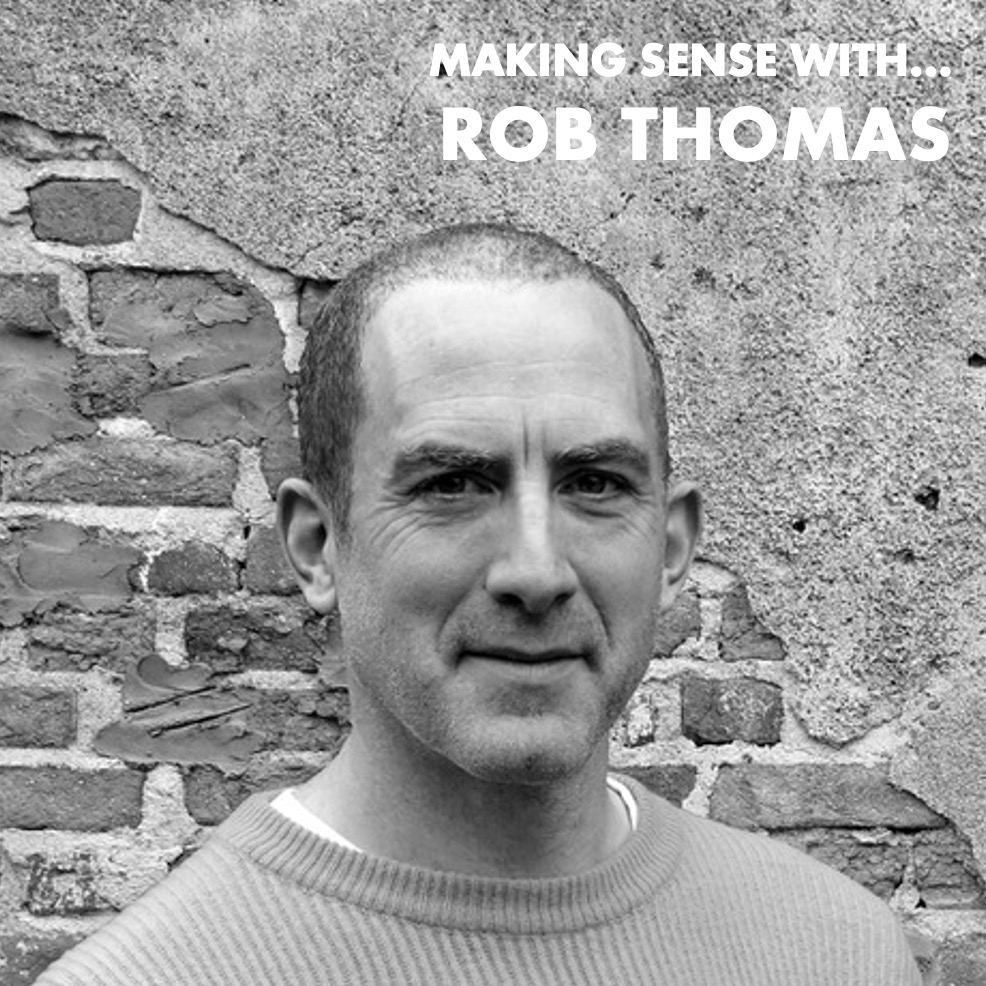
"Semiotics is clever and brilliant. It doesn’t need to try so hard to sound clever and brilliant."

"Being able to connect, or map ideas — across regions, eras, or cultural objects — requires a comparative way of looking."
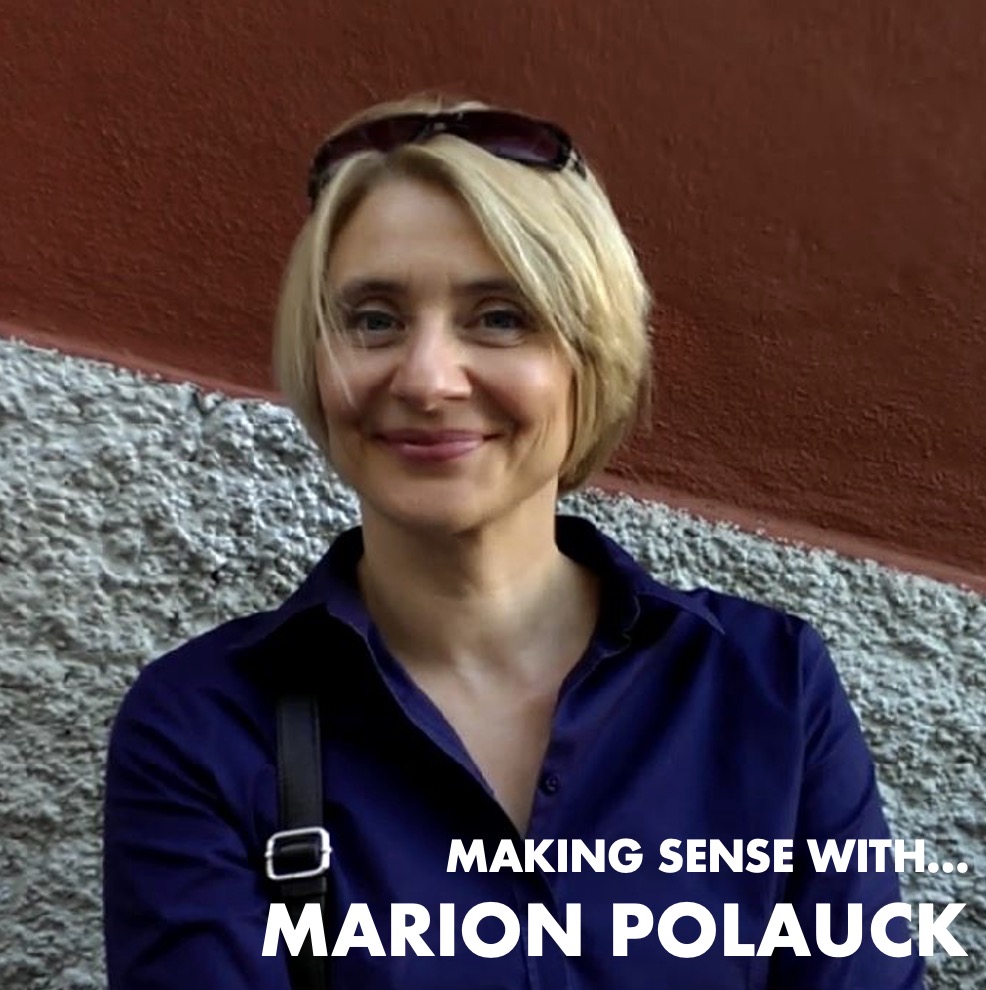
"Like any great work (in any field), semiotic insight needs to move us emotionally."

"Nothing gives me more cultural satisfaction than a well-crafted Semiotic Square that works."
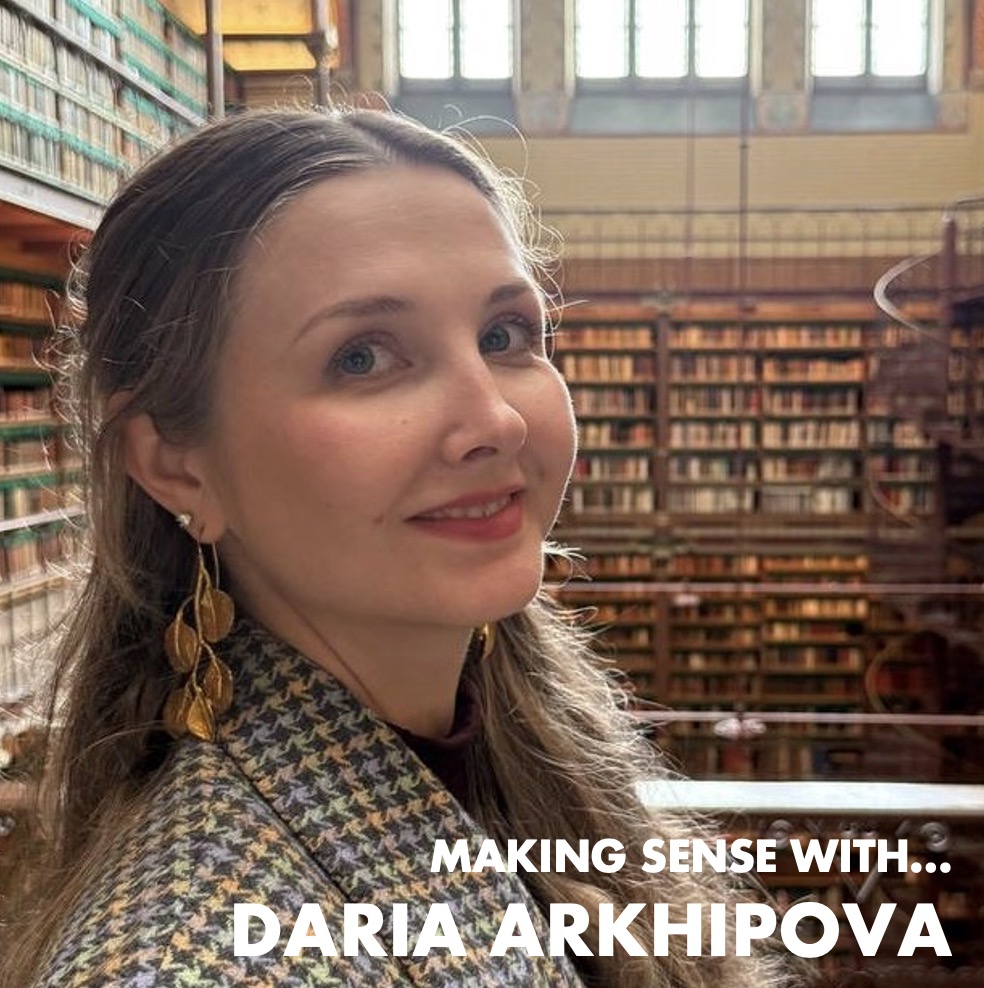
"Our bodies are part of our research tools — experience matters. It’s not just about hours in the office; it’s about the life you live."

"It’s about attention to detail, and spotting what fits a pattern, and what doesn’t."