Making Sense
"What does semiotics bring to the party?" is the key question.


Untangling the webs of significance within which we've suspended ourselves.
"What does semiotics bring to the party?" is the key question.
"Make abstract ideas and observations clear, without losing the rigour or wonder of whatever ideas you had in the first place. "
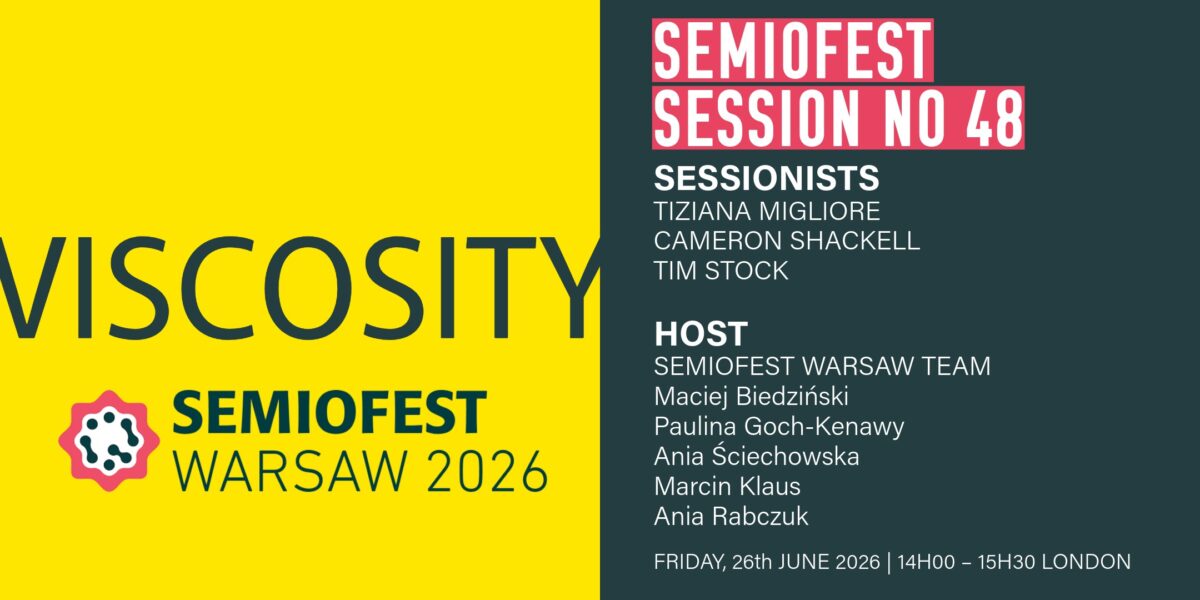
On June 26th! A session exploring semiotic "viscosity."
"Unlike LLMs, we help build a deep understanding of culture, not just engage in pattern recognition."

"You notice when a system is addicted to an old myth it can no longer metabolize."

"If analysis doesn’t restore the beauty, texture, or emotional vibration of an object, it becomes abstract."
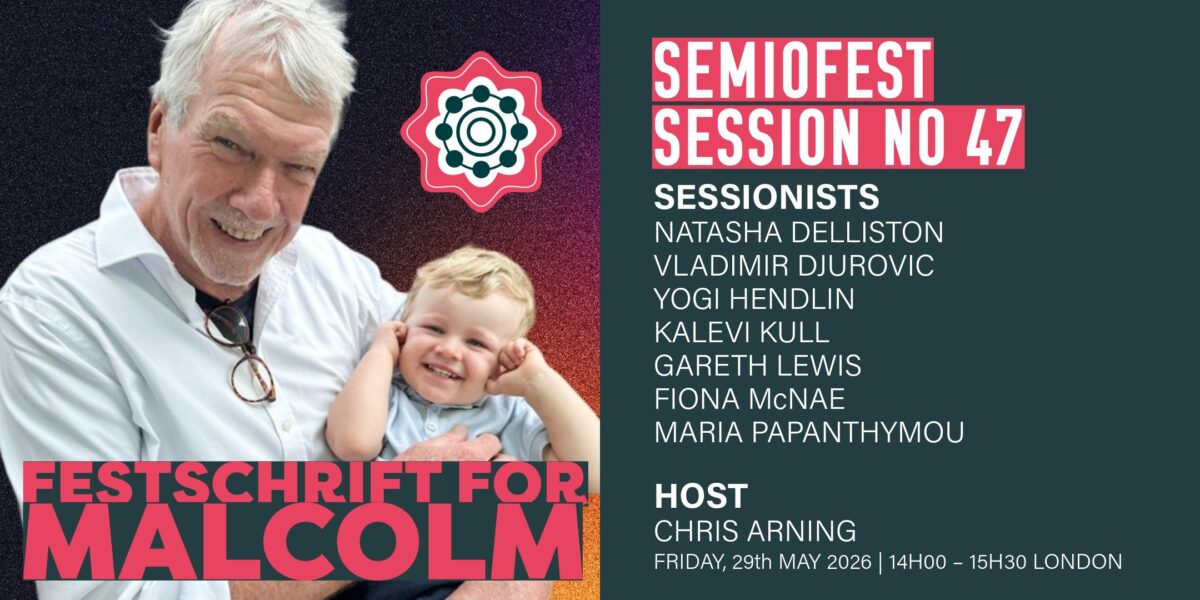
On May 29th! A session honoring Malcolm Evans…
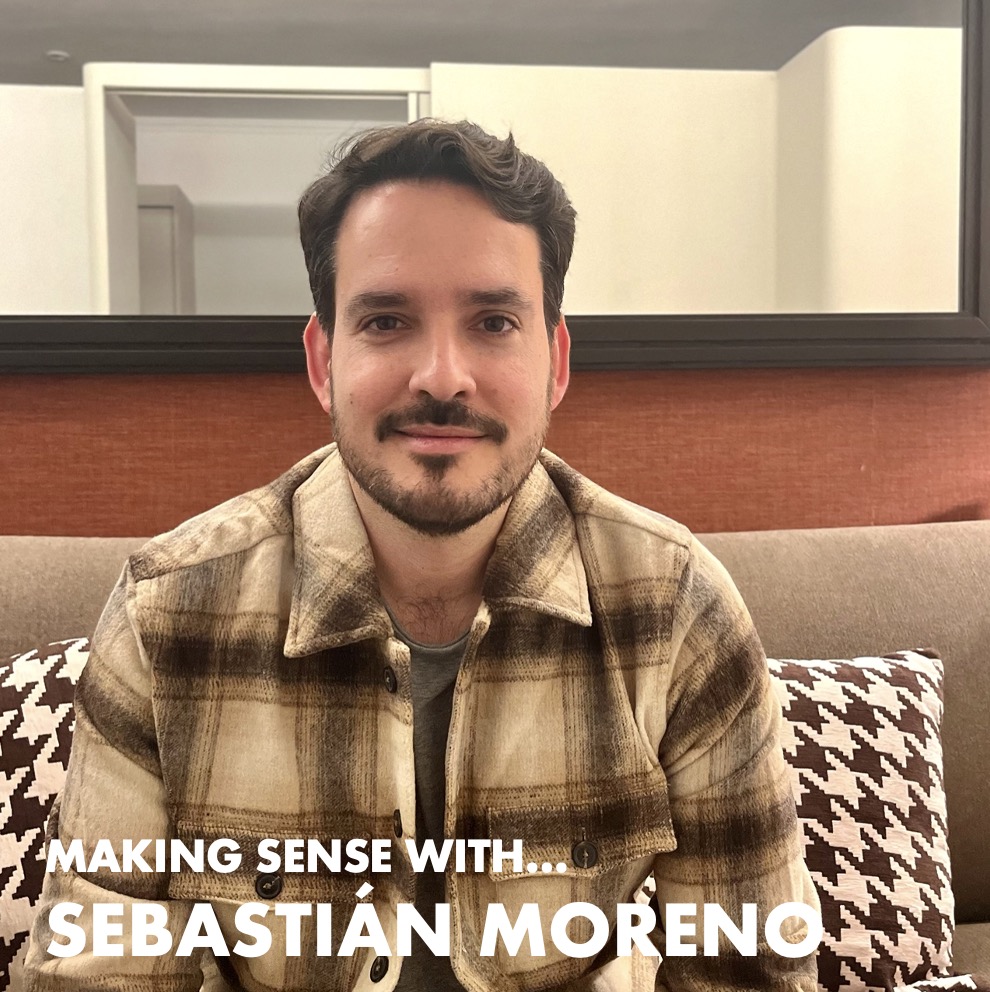
"Do not rely only on your intuition or gut, but make sense of them using concepts, models and instruments produced by semioticians."
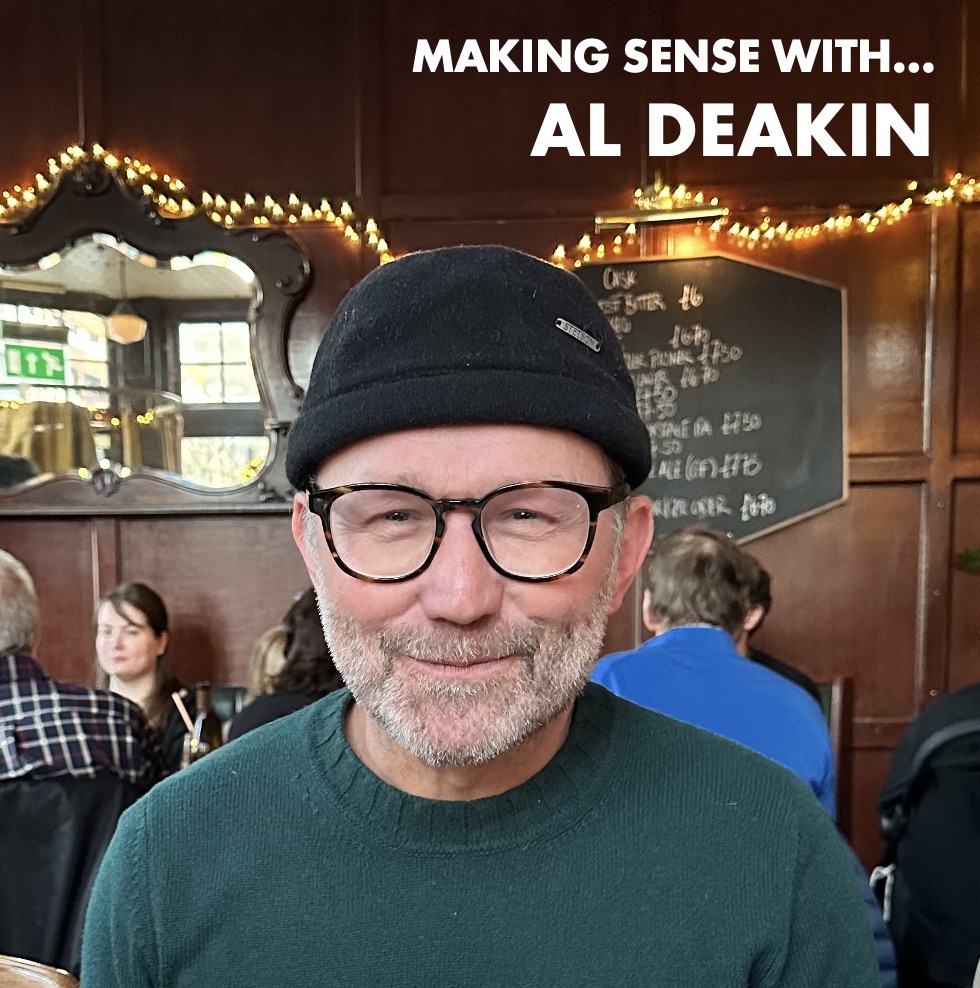
"I enjoy this discipline's ability to open minds, reveal new possibilities and energise people."
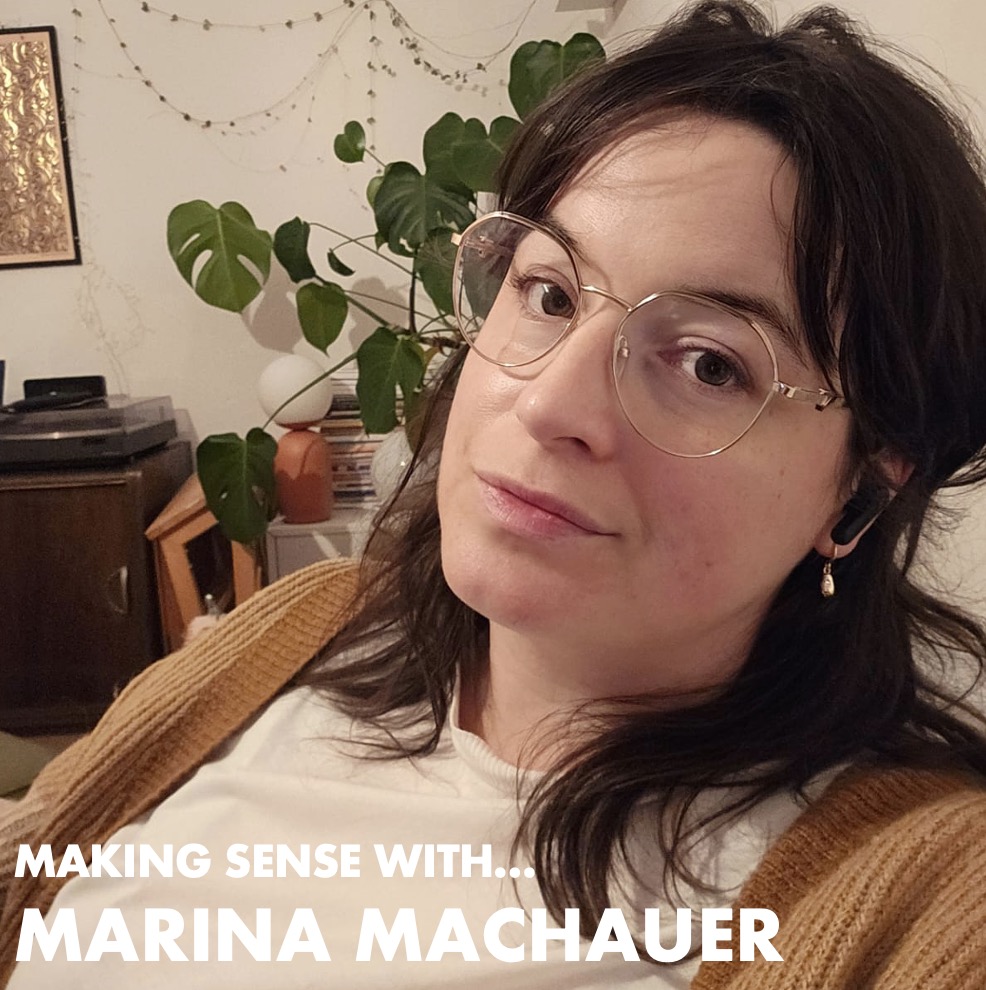
"Even when a project isn’t explicitly semiotic, the principles guide how I approach my ethnographic and cultural work."

On April 24th! A session dedicated to semioticians' tattoos…

"The leading edge of culture emerges first in the sensorial and experiential before it can be articulated in more cerebral ways."
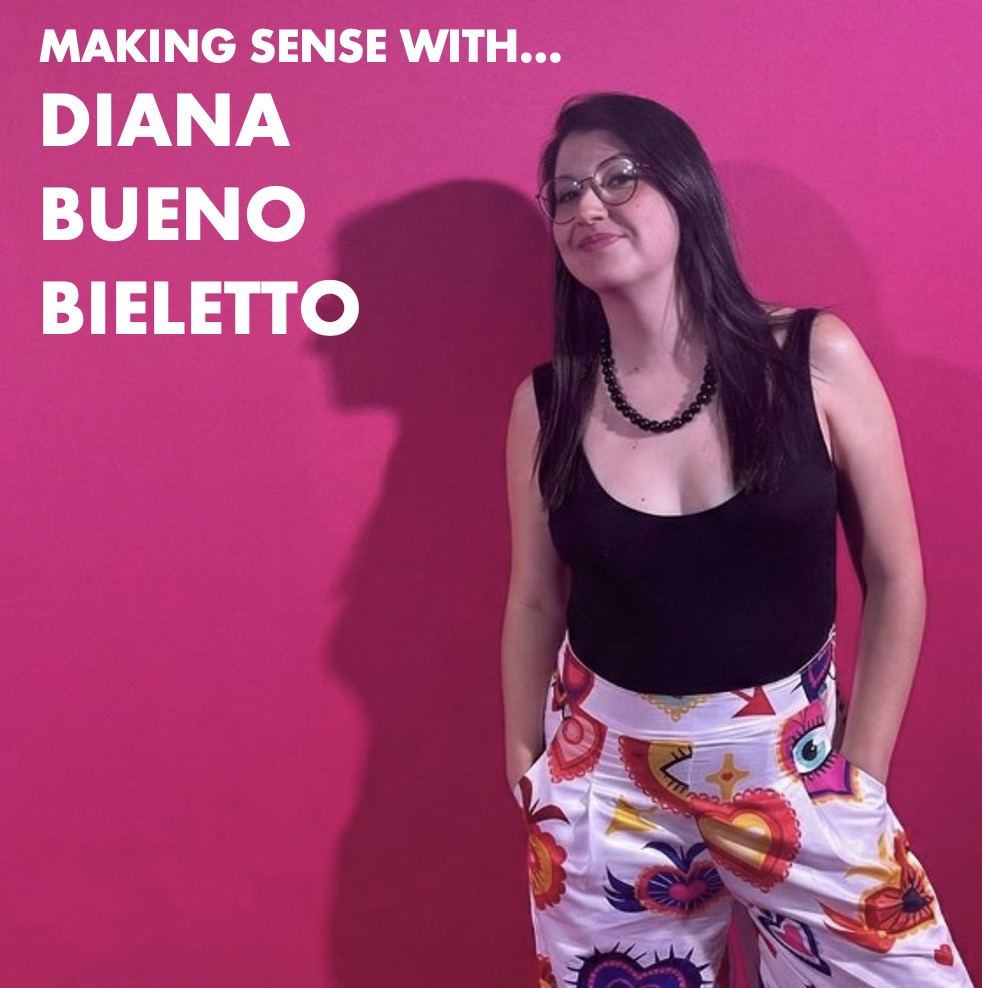
"It’s an almost compulsive need to keep asking why, again and again, without settling too quickly on answers."
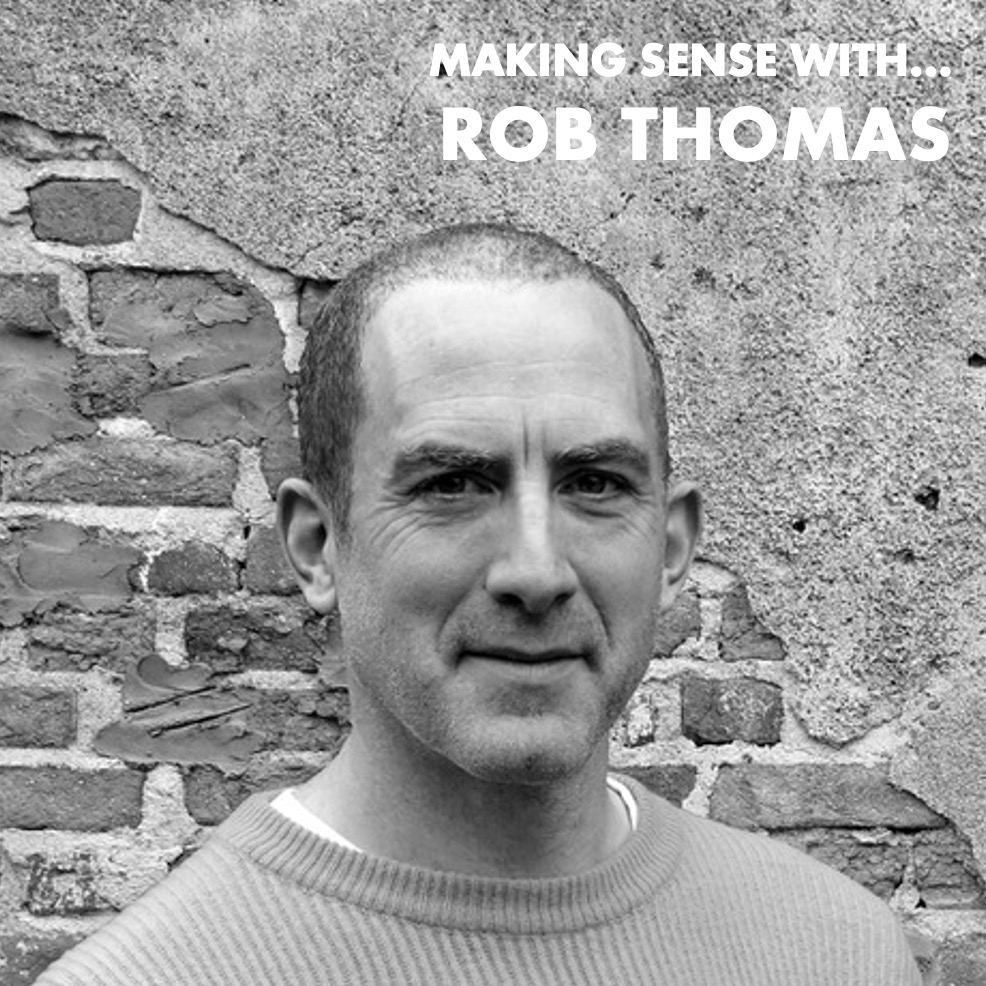
"Semiotics is clever and brilliant. It doesn’t need to try so hard to sound clever and brilliant."